There’s a moment that sneaks up on you. Maybe it’s the morning you wake up stiff in places that never used to ache. Or the afternoon you realize your favorite jeans fit differently — not wrong, just different. Your body is talking to you in a new language, and nobody handed you a translation guide.
That frustration you feel? It’s real. And it’s not your fault.
Your 40s bring shifts in cortisol, metabolism, and energy. These changes can make old routines feel useless. But here’s the honest truth: movement is still your most powerful tool. Exercise releases endorphins that calm your stress response and help manage cortisol — the hormone that loves to store belly fat when left unchecked.
You don’t need to overhaul your life overnight. Research shows that three 10-minute bursts of activity can match the benefits of a single 30-minute session. That’s a game changer when your schedule is packed. Finding effective exercise routines for women in their 40s isn’t about perfection. It’s about consistency and choosing what actually feels good.
Strength training builds lean muscle, which burns more calories even at rest. A brisk daily walk — just 30 minutes, five days a week — can protect your heart and support weight management. Pair that with a whole-foods approach like the Mediterranean diet, and you’re building a foundation that serves you for decades.
The right workout plans for women over 40 don’t punish your body. They respect it. They meet you where you are today — not where you were ten years ago. And they can shift your energy, your mood, and your confidence starting with the very first session.
This guide is your no-nonsense roadmap. Science-backed, zero hype, built for your life right now.
Key Takeaways
- Regular exercise helps manage cortisol levels and reduces stress, which directly impacts weight gain and mood in your 40s.
- Three 10-minute exercise sessions can be just as effective as one continuous 30-minute workout.
- Strength and resistance training builds lean muscle mass, boosting your metabolism so you burn more calories at rest.
- A daily 30-minute brisk walk, five days per week, supports heart health and long-term weight management.
- Effective exercise routines for women in their 40s prioritize consistency and enjoyment over intensity.
- Pairing a Mediterranean-style diet with regular physical activity creates a sustainable foundation for overall health.
The Importance of Staying Active in Your 40s
Your body at 40 isn’t broken. It’s just asking for a different approach. Stress from work, family, and daily life makes your body hold onto fat. Movement is your best defense.
One of the most practical fitness tips for women in their 40s is simply this: move your body every single day. Not to punish yourself. To protect yourself.
Benefits of Regular Exercise
Exercise does more than burn calories. It helps control your blood sugar and insulin levels. The American Heart Association found that regular activity reduces inflammation from stress.
Here’s what consistent movement gives you:
- Better metabolic function and reduced fat storage
- Improved sleep quality, which regulates appetite hormones like ghrelin and leptin
- Lower cortisol levels throughout the day
- Stronger bones and joints as natural protection against age-related decline
Healthy living for women in their 40s starts with understanding that exercise isn’t optional. It’s medicine without a prescription.
How It Affects Your Wellbeing
Ever reach for chips when you’re anxious or bored? You’re not weak. Your brain is looking for a dopamine hit. Exercise gives you that same hit without the guilt spiral afterward.
Physical activity rewires your stress response. It becomes a coping tool that replaces emotional eating patterns triggered by loneliness, overwhelm, or exhaustion. A 2023 study in The Lancet Psychiatry found that even 30 minutes of moderate movement three times a week reduced anxiety symptoms by up to 26%.
Movement is a celebration of what your body can do — not a punishment for what you ate.
Healthy living for women in their 40s means choosing activities that serve your mind just as much as your muscles. Start where you are. That’s enough.
Understanding Your Body’s Changes
Your body at 42 is different from the one at 25. That’s just how biology works. Knowing what’s actually happening inside helps you stop blaming yourself. It’s time to work with your body instead of fighting it. The best exercises for women in their 40s respect these changes.
Hormonal Shifts and Their Impact
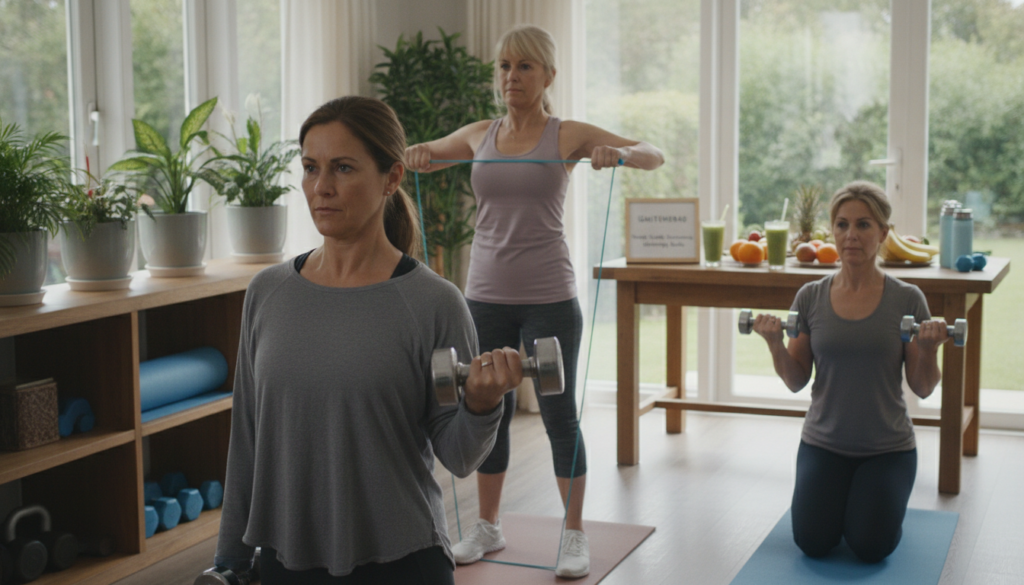
During perimenopause, your body changes how it handles carbs. Insulin, the hormone that moves sugar into cells, works less well. This leads to more fat, often around your midsection.
Cortisol adds to the mix. Chronic stress raises cortisol, making you crave sugar because your brain needs quick energy. Poor sleep makes it even harder. Studies from the Journal of Clinical Endocrinology & Metabolism show that bad sleep makes you hungrier and eat more.
Stress can also slow digestion, messing with your hunger signals. Does this sound like something you’ve experienced?
Muscle Mass and Metabolism
Here’s a tough fact: you lose about 3–8% of lean muscle mass per decade after 30, says Harvard Health. Less muscle means a slower metabolism. Your body burns fewer calories at rest.
This is why strength training for women over 40 is so important. Building lean tissue can reverse the metabolic slowdown.
| Change | Effect on Body | What Helps |
|---|---|---|
| Declining estrogen | Increased fat storage | Resistance training + whole foods |
| Rising cortisol | Sugar cravings, belly fat | Stress management + sleep |
| Muscle loss | Slower metabolism | Strength training 2–3x per week |
Understanding these changes puts you in control. Now, let’s build a workout routine that works with your body, not against it.
Building a Balanced Workout Routine
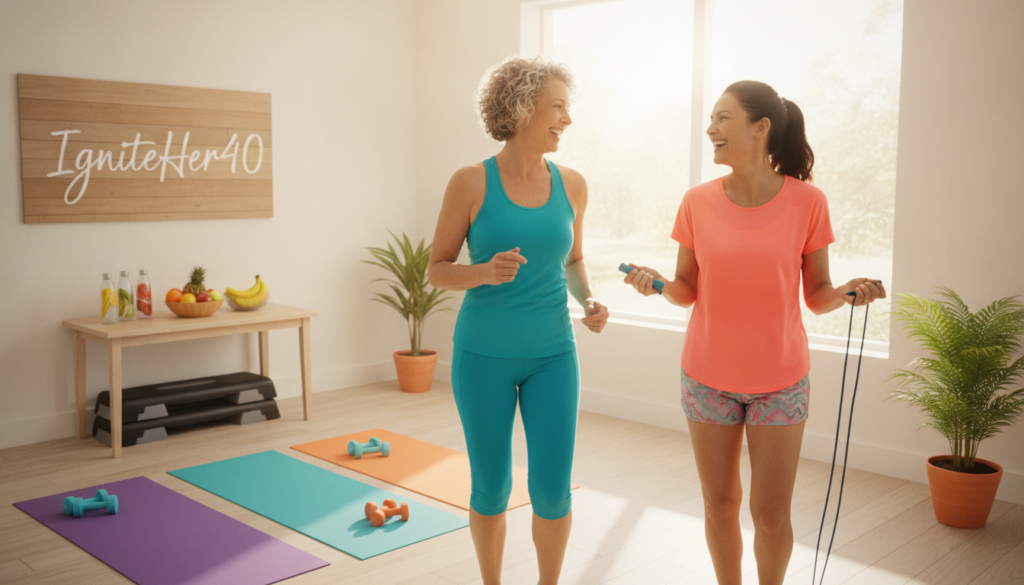
A great routine isn’t just one thing on repeat. The best workout plans for women over 40 mix cardio, strength, and flexibility. Each part targets a different part of your body. Skipping one means missing out on results.
Think of it like a three-legged stool. Remove a leg, and the whole thing tips over. Your weekly schedule needs variety to keep your body guessing and your mind engaged.
Cardio: Boost Your Heart Health
Your heart is a muscle. It needs training just like your biceps do. Cardio workouts for women over 40 help your body burn glucose from meals first, then tap into stored fat. Research from the American Heart Association shows that 150 minutes of moderate cardio per week reduces heart disease risk by up to 30%.
You don’t need to run marathons. Brisk walks, swimming, or cycling all count. Pick what you enjoy — that’s the one you’ll stick with.
Strength Training: Don’t Skip It
This is non-negotiable. After 40, you lose roughly 1% of muscle mass per year if you’re not actively working against it. Resistance exercises build lean muscle that raises your resting metabolic rate. That means you burn more calories even while sitting still.
Strength training protects your bones, too. The National Osteoporosis Foundation recommends it as a frontline defense against bone density loss.
Flexibility and Balance Exercises
Stiff joints and poor balance sneak up on you. Stretching keeps your joints healthy and lowers injury risk. Balance work — like single-leg stands or yoga poses — becomes critical for fall prevention as you age.
| Training Type | Weekly Goal | Key Benefit |
|---|---|---|
| Cardio | 150 minutes moderate | Heart health, fat burning |
| Strength | 2–3 sessions | Muscle mass, bone density |
| Flexibility & Balance | 2–3 sessions | Joint health, injury prevention |
Mixing all three into your workout plans for women over 40 keeps things fresh and delivers full-body results. Up next, let’s break down the best cardio options that actually work for your body right now.
Best Cardio Options for Women Over 40
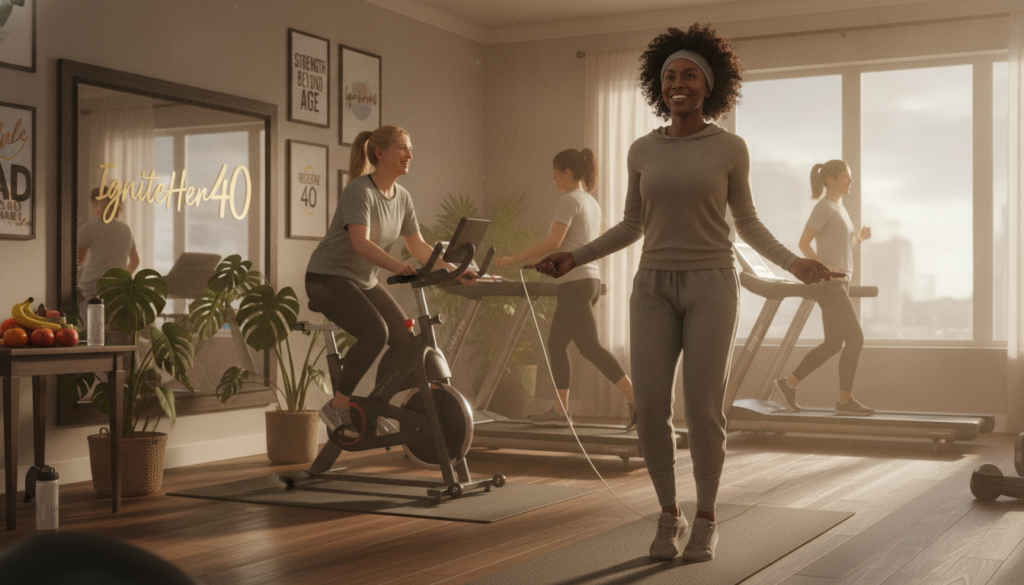
Not all cardio is the same, and that’s true for women in their 40s. The best routines focus on heart health without hurting your joints. You have many options that are both enjoyable and effective.
Walking: The Simple Yet Powerful Choice
A good walk is more than just a stroll. Studies show it’s key for long-term weight loss. It’s free, easy, and you can start right now. Start with 20 minutes and increase it as you get more comfortable.
Swimming: Low-Impact and Refreshing
Swimming is a full-body workout that’s easy on your joints. It’s perfect for those with joint pain. Even 30 minutes can burn a lot of calories and improve endurance.
“The water supports your body weight, reducing stress on joints by up to 90%.” — Arthritis Foundation
Cycling: A Fun Way to Stay Active
Cycling is great for women in their 40s. It’s good for your legs and heart. You can do it alone or with friends, making it a fun way to stay active.
| Cardio Activity | Calories Burned (30 min) | Joint Impact | Social Potential |
|---|---|---|---|
| Walking | 150–200 | Low | Moderate |
| Swimming | 200–300 | Very Low | Low |
| Cycling | 250–350 | Low | High |
Choose what you enjoy most. These tips work best when you look forward to the activity. Start small, stay consistent, and see your energy levels rise.
Strength Training Essentials
Let’s talk about something your body is quietly asking you for: strength training for women over 40. After age 30, you lose about 3–8% of muscle mass per decade. This rate speeds up after 40. The good news? Resistance training slows — and even reverses — this process.
Lean muscle burns more calories at rest than fat tissue. So, building it helps your metabolism stay strong.
The key principle is progressive overload. This means gradually increasing the challenge over time. It applies no matter what tool you use. Pick compound movements that work multiple muscle groups at once. Think squats, rows, and presses.
Give yourself 48 hours between sessions targeting the same muscles. This lets your body repair and grow.
Resistance Bands: Versatile and Effective
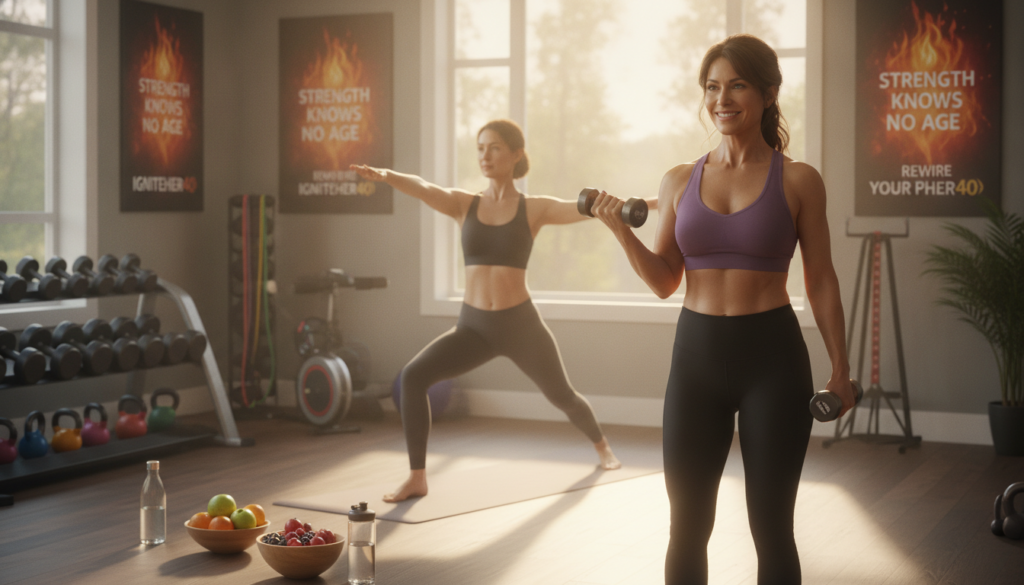
Bands are portable, affordable, and perfect for all fitness levels. You can adjust the resistance by switching band thickness or changing your grip position. They’re among the best exercises for women in their 40s who want a low-barrier entry point.
Free Weights: The Power of Simplicity
Dumbbells and kettlebells build functional strength you’ll use every day. Start with a weight that lets you complete 8–12 reps with good form.
Bodyweight Exercises: No Equipment Needed
No gym? No problem. Push-ups, squats, lunges, and planks are among the best exercises for women in their 40s. You can do them anywhere, anytime.
| Equipment Type | Cost | Portability | Best For | Example Exercises |
|---|---|---|---|---|
| Resistance Bands | $10–$30 | Highly portable | Beginners, travel workouts | Banded squats, pull-aparts |
| Free Weights | $20–$100+ | Moderate | Building functional strength | Goblet squats, dumbbell rows |
| Bodyweight Only | Free | Go anywhere | Convenience, no barriers | Push-ups, lunges, planks |
Incorporating Flexibility and Balance
Strength and cardio get a lot of attention. But flexibility and balance exercises are key for women over 40. As you get older, your sense of body position gets weaker. This increases your risk of falling.
Regular exercises that focus on mind and body help fight this. They keep your joints moving freely.
These exercises do something strength training can’t. They connect your physical and emotional health. This supports a healthy lifestyle for women in their 40s.
Yoga: Mindfulness and Movement
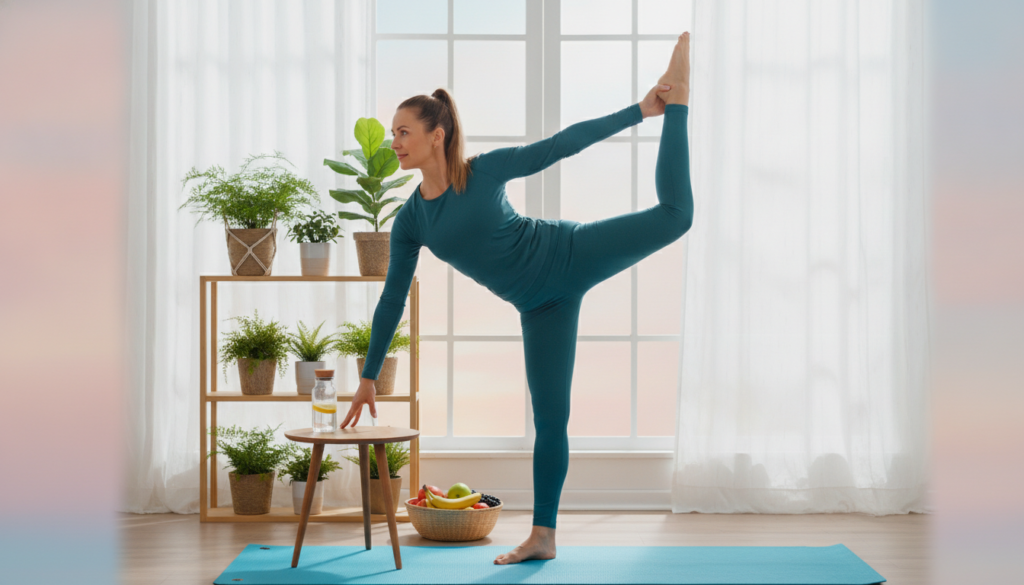
Yoga combines stretching with deep breathing. This activates your body’s relaxation response. It helps manage stress hormones that rise during perimenopause.
Yoga also helps you listen to your body’s hunger and fullness signals better.
Pilates: Core Strength and Flexibility
Your core is the base of all movements. Pilates targets deep muscles that protect your spine and improve posture. It’s great for those with lower back issues.
Pilates is low-impact but very effective.
Tai Chi: Grace and Stability
Tai chi is a slow, flowing practice. Research shows it greatly reduces fall risk in older adults. It’s calming, easy on the joints, and builds stability.
| Practice | Primary Benefit | Best For | Sessions Per Week |
|---|---|---|---|
| Yoga | Stress reduction and flexibility | Cortisol management | 2–3 |
| Pilates | Core strength | Posture and back health | 2–3 |
| Tai Chi | Balance and stability | Fall prevention | 2–4 |
Choose the one that interests you the most. Or try all three. Any of these practices will enhance your routine and protect your body.
Realistic Weekly Workout Plans
Most women struggle with trying too much too soon. A good plan keeps you going without burning out. Start with behavior goals, like setting workout days, not just losing weight.
Make your workouts non-negotiable. Schedule them like you would any other important meeting. Link them to your daily habits, like after your morning coffee. Studies show this can increase your workout consistency by up to 91%.
Beginner’s 5-Day Routine
This plan is perfect for beginners. It mixes cardio with gentle strength and rest days.
| Day | Activity | Duration |
|---|---|---|
| Monday | Brisk Walking | 25 minutes |
| Tuesday | Bodyweight Strength (squats, push-ups) | 20 minutes |
| Wednesday | Rest or Gentle Stretching | 15 minutes |
| Thursday | Swimming or Water Aerobics | 30 minutes |
| Friday | Yoga or Pilates | 25 minutes |
Intermediate’s 5-Day Scheme
Looking to challenge yourself? This plan ups the intensity while keeping rest days important.
| Day | Activity | Duration |
|---|---|---|
| Monday | Cycling (moderate pace) | 35 minutes |
| Tuesday | Free Weights + Resistance Bands | 30 minutes |
| Wednesday | Active Recovery (Tai Chi or walk) | 20 minutes |
| Thursday | Interval Walking or Jogging | 30 minutes |
| Friday | Full-Body Strength Circuit | 35 minutes |
Customizing Your Schedule
Make sure your plan fits your life. Here are some tips:
- On low energy days, just do a short walk. It still counts.
- Morning workouts can help control hunger, a 2023 study found.
- Use apps or a journal to track your progress and stay motivated.
Grow gradually. Slow, steady changes are more effective than quick fixes. With the right diet, these plans will be even more effective.
Nutrition’s Role in Your Journey
Exercise is just half the battle. What you eat and drink greatly affects how your body reacts to workouts. A key fitness tip for women in their 40s is to eat foods that support your efforts, not hinder them.
Whole Foods: Fueling Your Efforts
Eating like a Mediterranean can be very beneficial. It includes olive oil, nuts, fish, and lots of fresh produce. This diet is great for heart health, reduces inflammation, and keeps your energy up all day.
Begin your day with protein. Try eggs, Greek yogurt, or nuts to keep your blood sugar stable and avoid mid-morning slumps. Foods high in fiber, like beans and whole grains, digest slowly. They help you feel full longer without causing insulin spikes.
Here are some nutrient-rich foods to focus on:
- Leafy greens — spinach, kale, and broccoli can help lower depression risk in women
- Avocados — full of magnesium, fiber, and healthy fats that help lower cortisol
- Low-glycemic fruits — berries, kiwi, and grapefruit satisfy sweet cravings without raising blood sugar
- Non-starchy vegetables — eat these freely without worrying about calories
Hydration: The Often-Overlooked Factor
Your brain can confuse thirst with hunger. That 3 p.m. snack craving might be thirst. Drinking enough water helps with digestion, joint health, and muscle recovery after working out.
Drink at least half your body weight in ounces of water daily. If plain water is boring, try adding cucumber slices or fresh mint. This simple habit can greatly improve how your body responds to workouts and supplements.
Supplements and Natural Alternatives
Finding the best exercises for women in their 40s is just one part. What you eat is as important as how you exercise. Some nutrients can boost your workouts, lower stress, and protect your bones and heart. Here are three key ones to consider.
Omega-3 Fatty Acids: Heart Health Support
Omega-3s fight inflammation, which builds up from stress and intense workouts for women over 40. Salmon, sardines, tuna, and mackerel are great sources. For plant-based options, try chia seeds, flax seeds, and walnuts. These fats help guard against cortisol, which can weaken your body over time.
Vitamin D: For Strong Bones
Your bones need vitamin D to absorb calcium well. After 40, bone density starts to drop, making vitamin D key. The National Institutes of Health suggests 600 IU daily for women up to 70. Sunlight, fortified foods, and fatty fish are good sources. If your levels are low, talk to your doctor about supplements.
Magnesium: Stress Reduction
Magnesium helps lower cortisol levels naturally. It aids muscle recovery after workouts and improves sleep. Avocados, black beans, and dark leafy greens are full of it. Many women in their 40s are deficient without realizing it.
“Let food be thy medicine and medicine be thy food.” — Hippocrates
| Nutrient | Top Whole Food Sources | Key Benefit |
|---|---|---|
| Omega-3 Fatty Acids | Salmon, chia seeds, walnuts | Reduces inflammation |
| Vitamin D | Sardines, fortified milk, egg yolks | Strengthens bones |
| Magnesium | Avocados, black beans, spinach | Lowers cortisol and aids recovery |
This information is not medical advice. Always consult your healthcare provider before starting any new supplement.
Stress Management Techniques
Your body can’t tell the difference between work stress and a bear chase. Both trigger the same stress hormones. This can make it hard to stick to your workout plans for women over 40.
Mindfulness and Meditation Practices
You don’t need a lot of time for meditation. Just three deep breaths can calm you down quickly. Studies show that mindful breathing can lower stress hormones and reduce cravings for unhealthy snacks.
Try journaling for just five minutes each night. It helps you notice patterns, like eating when you’re stressed. Hobbies like painting or puzzles can also help quiet your mind and stop the urge to snack when stressed.
The Benefits of Outdoor Activities
Being in nature is like free therapy. Walking outside is a great way to get some cardio while enjoying the sun and fresh air. A study in Environmental Health Perspectives found that just 20 minutes outside can lower stress hormones a lot.
Take short stretch breaks during the day. It helps prevent tension from building up in your shoulders and neck.
Social Connections and Support
Trying to do everything alone is tougher than it has to be. Having friends, family, or joining a fitness class can make a big difference. It adds accountability that you can’t get from just trying hard on your own.
| Support Type | How It Helps | Best For |
|---|---|---|
| Walking group | Combines cardio workouts for women over 40 with social time | Beginners seeking consistency |
| Registered dietitian | Creates personalized, attainable nutrition goals | Emotional eating patterns |
| Online fitness community | 24/7 encouragement and shared experiences | Busy schedules |
| Professional counselor | Processes deeper emotional patterns driving stress | Chronic overwhelm or anxiety |
The right support makes your workout plans for women over 40 feel doable. It doesn’t feel like just another thing to do.
Conclusion: Embrace Your Active Life
You now know what effective exercise routines for women in their 40s look like. They include cardio, strength training, and flexibility work. Nutrition and stress management are also key. It’s not about quick fixes but building a lasting lifestyle.
Setting Realistic Goals
Many women set goals based on looks, not feelings. But research shows lasting results come from daily habits, not extreme diets. Aim to lose one to two pounds a week to keep muscle while losing fat.
Link your goals to habits you already have. Walk after dinner or do squats while brewing coffee. Keep a food log for a week to spot patterns. Write down your wellness vision and display it somewhere.
This is your life, not a temporary diet. Lasting changes are better than quick fixes. You deserve to feel strong, full of energy, and comfortable in your body. Start where you are, be honest with yourself, and trust the journey.
FAQ
What are the most effective exercise routines for women in their 40s?
A balanced routine is key. It should include cardio, strength training, and flexibility exercises. Cardio boosts heart health and burns glucose. Strength training builds muscle, which increases your metabolism.
Flexibility exercises protect your joints and reduce fall risk. Mixing these exercises keeps your body challenged and prevents plateaus. Think of it as a three-legged stool — remove one leg and the whole thing tips over.
How much exercise do women over 40 actually need to maintain a healthy weight?
Research shows 60 minutes of daily exercise, like walking, helps maintain weight loss. But here’s the good news: three 10-minute spurts of exercise can be just as effective. So, a brisk walk before work, a lunchtime stretch, and an evening stroll with your dog absolutely counts.
Start where you are and build from there. The key is consistency, not perfection.
Why is strength training for women over 40 so important?
After 40, you naturally lose muscle mass. Less muscle means a slower metabolism. Resistance training reverses this by building lean body mass that burns more calories than fat tissue, even while you sleep.
It also helps maintain bone density, which becomes increasingly critical as estrogen levels decline. Whether you use resistance bands, free weights, or just your own bodyweight, strength work isn’t optional anymore — it’s essential.
What are the best cardio workouts for women over 40?
Walking remains the most sustainable cardio option. Participants in the National Weight Control Registry confirm this — successful weight maintainers average 60 minutes of walking daily. Swimming offers full-body resistance training alongside aerobic conditioning while being gentle on your joints.
Cycling can serve as a social activity or solo meditation time. Dancing, hiking, and activity-based video games also provide excellent cardiovascular benefits. The best cardio workout for women over 40 is honestly the one you’ll actually do consistently.
How do hormonal changes in your 40s affect exercise and weight management?
Hormonal shifts change how your body handles carbohydrates and stores fat. Insulin regulation becomes less efficient, meaning your body may create more fat storage cells while making it harder to release stored energy. Chronic stress ramps up cortisol production, which makes your brain crave sugar for quick fuel.
Metabolism slows as lean tissue decreases. Sleep disruption — common during perimenopause — stimulates appetite hormones while blocking satiation signals. Exercise directly addresses these changes by helping regulate insulin response, managing cortisol levels, and improving sleep quality.
Can exercise really help with stress eating and emotional eating patterns?
Absolutely. Movement releases endorphins that naturally reduce stress, giving your body a healthier coping mechanism than reaching for food when you’re anxious, bored, or overwhelmed. Regular physical activity helps control emotional eating patterns triggered by work stress, interruptions, and daily pressures.
Exercise also regulates cortisol — the stress hormone that drives sugar cravings and belly fat storage. Morning exercise can stabilize hunger signals throughout the entire day. Over time, your brain starts associating stress relief with movement instead of snacking.
What workout plans for women over 40 work best for beginners?
Start with behavior goals rather than outcome goals. Instead of “lose 15 pounds,” aim for “exercise on Monday, Wednesday, and Friday.” Begin slowly with achievable targets to prevent burnout and injury. Include rest days for recovery.
Tie exercise to existing habits — like walking right after your morning coffee — to increase adherence. Schedule workouts like appointments in your calendar. Track progress with apps or a simple journal. The goal is building sustainable habits, not going hard for two weeks and quitting. Adjust intensity based on your energy levels, and build gradually.
What role does nutrition play alongside fitness tips for women in their 40s?
Exercise alone won’t get you where you want to be — nutrition is the other half of the equation. High-fiber foods like vegetables, beans, and whole grains keep you full longer. Eating protein at breakfast, including eggs, nuts, or Greek yogurt, stabilizes blood sugar and reduces cravings.
The Mediterranean diet — emphasizing olive oil, nuts, fish, and fresh produce with minimal processed foods — combined with regular physical activity supports overall health beautifully. Avocados provide magnesium and fiber that actually lower cortisol, plus heart-healthy fats. And don’t overlook hydration: thirst is often mistaken for hunger.
How does yoga or Pilates support healthy living for women in their 40s?
Yoga combines physical movement with stress-reducing mindfulness that directly helps manage cortisol — the hormone making your 40s feel harder than they should. Deep breathing during stretching activates your body’s relaxation response, counteracting the fight-or-flight mode many of us live in daily.
Pilates strengthens the core muscles essential for good posture and back health. Tai chi improves balance while providing meditative benefits. Mindful movement also helps you reconnect with your body’s hunger and satiation signals, so you eat when you’re truly hungry instead of when you’re stressed. These practices address both physical and emotional wellness simultaneously.
What supplements support women’s exercise routines after 40?
Omega-3 fatty acids from salmon, tuna, sardines, or plant sources like chia seeds, flax seeds, and walnuts fight inflammation and protect against cortisol surges. Magnesium — found naturally in avocados and beans — helps reduce cortisol levels. Vitamin C from citrus fruits and strawberries shows therapeutic effects for stress-related conditions.
Selenium in nuts helps lower depression symptoms. Fermented foods like sauerkraut, kimchi, and kombucha support gut health linked to reduced anxiety. Natural whole food sources are always preferred over isolated supplements. This is not medical advice — always consult your healthcare provider before adding supplements to your routine.
How can women over 40 set realistic fitness goals and actually stick with them?
Sustainable progress means aiming for one to two pounds of weight loss per week to preserve muscle while losing fat. Write down a personal wellness vision focused on how you want to feel, not just how you want to look — health-focused intentions consistently outperform short-term aesthetic goals.
Use weekly weigh-ins to catch small gains before they escalate. Food logging maintains accountability. Limit screen time to create natural opportunities for movement. Build a support system — whether that’s family, friends, a registered dietitian, or a health coach — for accountability and encouragement. Success comes from permanent lifestyle changes, not temporary restrictions. You’re not on a diet. You’re building a life.
What are the best exercises for women in their 40s who have joint concerns?
Low-impact options are your best friends. Swimming offers full-body resistance training alongside aerobic conditioning without stressing your joints. Cycling provides excellent cardiovascular benefits with minimal joint impact. Walking on even surfaces remains powerful and accessible.
Resistance bands offer adjustable, joint-friendly strength training for all fitness levels. Bodyweight exercises can be modified to reduce impact while still building functional strength. Regular flexibility work maintains range of motion in your joints, and balance exercises reduce fall risk as proprioception naturally declines with age. Exercise actually becomes easier as your body adapts — start gentle and progress at your own pace.