You woke up one morning and your jeans felt tighter. Your back ached from sleeping wrong. The energy you once had at 30 just wasn’t there anymore. And a quiet thought crept in: is this what getting older feels like?
Your 40s are a real turning point. Your metabolism hasn’t crashed yet — research shows your basal metabolic rate actually stays pretty steady until around age 60. But here’s the catch: you’re sitting more. Moving less. And those tiny daily caloric surpluses? They add up week after week, pound after pound.
Hormonal shifts make things trickier, too. They change where your body stores fat and how your hunger signals work. Conditions like heart disease, Type 2 diabetes, and osteoporosis are quietly building beneath the surface — often with zero symptoms during this decade.
That’s why strategies for healthy aging in your 40s matter so much right now. Not next year. Not when something goes wrong. Right now. The choices you make today at the dinner table, in the gym, and at bedtime shape your next 30 years in ways that might surprise you.
Aging gracefully in your 40s isn’t about fighting time or chasing your 25-year-old self. It’s about working with your body instead of against it. It’s about understanding what your body actually needs at this stage — and giving it exactly that.
Stanford Medicine experts emphasize that daily healthy habits built in midlife become the foundation for longevity and disease prevention. Your body responds to consistent daily signals. Small actions repeated every day reshape your health from the inside out.
This guide is packed with honest, science-backed tips for longevity in your 40s. No gimmicks. No miracle cures. Just clear, actionable steps you can start using today to feel stronger, sleep better, and protect your future health.
Key Takeaways
- Your metabolism stays relatively stable until 60, but reduced activity and increased sitting time drive midlife weight gain.
- Hormonal changes in your 40s alter fat storage patterns and appetite regulation, making nutrition choices more critical than ever.
- Heart disease, diabetes, and osteoporosis develop silently during this decade — prevention starts with daily habits now.
- Strategies for healthy aging in your 40s focus on consistent daily actions, not dramatic overhauls or extreme diets.
- Nutrition, exercise, sleep quality, stress management, and preventive screenings are the five pillars of midlife wellness.
- Small daily caloric surpluses — even just 50 to 100 extra calories — can lead to significant weight gain over months and years.
Understand the Importance of Healthy Aging
Turning 40 doesn’t mean your body is working against you. It means the stakes just got higher. This is the decade when chronic conditions like heart disease, type 2 diabetes, and certain cancers begin to take root — often without any symptoms. What you do right now shapes how you’ll feel at 50, 60, and beyond.
What Does Healthy Aging Mean?
Healthy aging isn’t about looking 25 forever. It’s about keeping your body working well. It means catching problems early through preventive care, before they become big issues. Think of it as giving your body the daily support it needs to stay at its best.
“The goal isn’t to add years to your life. It’s to add life to your years.” — Abraham Lincoln
Your body needs regular stimulus to stay strong. Without it, muscle mass declines, bone density drops, and inflammation creeps up. Research published in The Lancet links chronic inflammation to conditions ranging from heart disease to Alzheimer’s. Early detection and smart healthy lifestyle choices can change that trajectory entirely.
The Role of Lifestyle in Aging Well
Your daily habits carry enormous weight. Holistic health approaches — ones that address nutrition, movement, sleep, and stress together — deliver the strongest results. No single pill or supplement can replace a well-rounded routine.
| Lifestyle Factor | Impact on Aging | Recommended Action |
|---|---|---|
| Anti-inflammatory diet (e.g., Mediterranean) | Reduces chronic inflammation by up to 20% | Prioritize vegetables, fish, olive oil, and whole grains |
| Regular physical activity | Preserves muscle mass and bone density | Aim for 150 minutes of moderate exercise per week |
| Quality sleep | Supports cellular repair and hormone balance | Target 7–9 hours nightly with consistent bedtime |
| Stress management | Lowers cortisol and slows biological aging | Practice mindfulness or deep breathing daily |
The Mediterranean diet consistently ranks number one for weight management and overall health, according to U.S. News & World Report. Pairing smart nutrition with holistic health approaches gives you the strongest foundation for what comes next — starting with exactly what to put on your plate.
Nutrition: Fuel Your Body for Longevity
What you eat in your 40s affects how you feel later. Your body’s needs change now. Eating right is key to aging well. Let’s see what your body needs.
Key Nutrients for Women Over 40
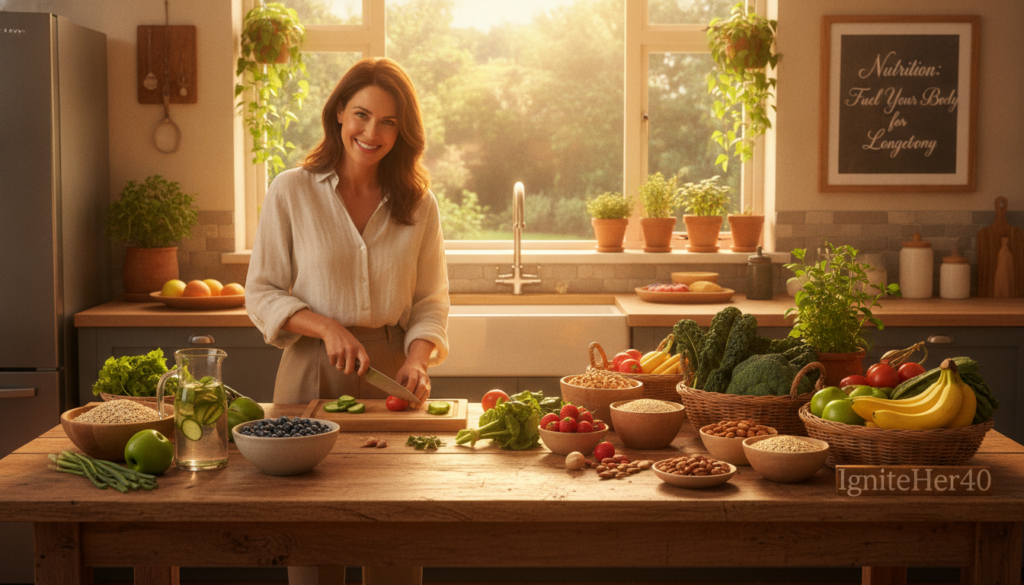
After 40, muscle loss speeds up. To slow it, eat 1.0 to 1.2 grams of protein per kilogram of body weight daily. For a 165-pound woman, that’s 75 to 90 grams. Spread it across meals, aiming for 20 to 30 grams per meal.
Good sources include:
- A 3- to 4-ounce chicken breast
- Greek yogurt or cottage cheese
- Eggs, tuna, or tofu
- Snacks with 15–20 grams protein: nuts, seeds, turkey slices, or hummus
Soluble fiber is also key. Aim for 25 to 31 grams daily. It helps with cholesterol, blood pressure, and blood sugar. Think of it as a way to prevent age-related issues.
Whole Foods to Embrace
| Food | Serving Size | Fiber (grams) |
|---|---|---|
| Cooked broccoli | 1 cup | 5.1 |
| Lentils | ½ cup cooked | 7.8 |
| Oatmeal | 1 cup cooked | 4.0 |
| Avocado | ½ fruit | 5.0 |
| Blueberries | ½ cup | 3.6 |
Remember, your activity level might drop. This means you need fewer total calories but more protein. Be mindful of portion sizes.
Hydration: The Essential Drink Choices
Water is your best ally. Drink plain water, herbal teas, and water-rich fruits like watermelon. Avoid sugary drinks. They harm your health goals. Aim for at least eight cups a day, more if you’re active.
Exercise: Stay Active for a Vital Life
Your body is telling you something important: use it or lose it. It’s not about getting a six-pack or running marathons in your 40s. It’s about building habits that keep you independent for years. The choices you make now affect how you’ll move later in life.
Importance of Regular Physical Activity
After 40, you lose about 3–5% of muscle mass each decade, Harvard Health Publishing says. It’s not a scare tactic; it’s science. Daily movement helps fight this loss. Exercising more frequently is better than doing it sporadically. A 20-minute walk daily is more beneficial than one intense weekend session.
Regular exercise is great for your heart, keeps joints flexible, and protects bone density. It’s a powerful tool you have right now.
Recommended Types of Exercise
Staying active in your 40s means focusing on three key areas:
| Exercise Type | Why It Matters | Examples |
|---|---|---|
| Strength Training | Preserves muscle mass and boosts metabolism | Dumbbells, resistance bands, bodyweight squats |
| Cardiovascular | Supports heart health and endurance | Brisk walking, cycling, swimming |
| Flexibility & Balance | Reduces injury risk and improves mobility | Yoga, Pilates, tai chi |
The American Heart Association suggests at least 150 minutes of moderate aerobic activity weekly. Add two days of strength training.
Finding Activities You Enjoy
The best workout is the one you enjoy. What movement makes you happy? Dancing in your kitchen or hiking with friends counts. Pleasure leads to consistency, not punishment.
- Try a new group fitness class at your local gym
- Walk your neighborhood with a favorite podcast
- Pick up a sport you loved as a teenager
Staying active in your 40s is easier when it feels rewarding, not like a chore.
Mental Wellbeing: Nurture Your Mind
Your body isn’t the only thing that needs attention in your 40s. Your mind is also under a lot of pressure. This includes work, family, and money worries. All these stressors can make you feel older than you are.
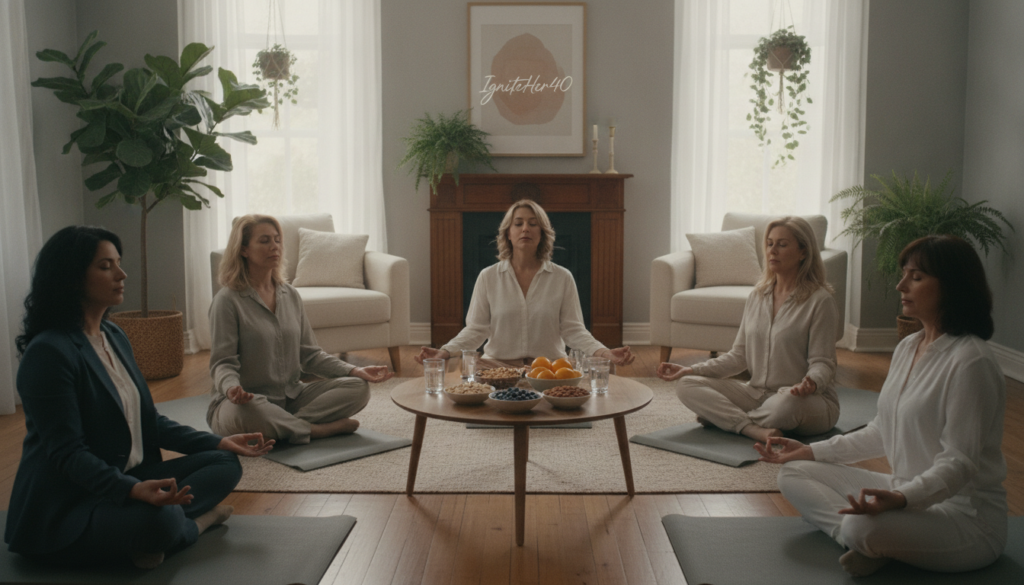
The Impact of Stress on Aging
Stress can really harm your body in your 40s. It weakens your immune system and increases heart disease risk. It also makes your brain shrink, affecting your memory.
Stress isn’t just about feeling overwhelmed. It’s about the damage it does to your body at a cellular level. High levels of stress hormones can harm your health and brain function.
Practices That Actually Work
Dr. David Spiegel from Stanford has studied mindfulness and stress management for years. He found that meditation and deep breathing can reduce pain and stress. His app, Reveri, helps you learn these skills easily.
You don’t need to meditate for hours. Try these proven methods:
- Start with five minutes of guided meditation each morning
- Practice box breathing (inhale 4 counts, hold 4, exhale 4, hold 4) during stressful moments
- Use body scan techniques before bed to release physical tension
Cognitive Engagement: Staying Sharp
Mindfulness and stress management keep your brain healthy. But, doing mentally challenging activities like learning a new language or playing strategy games can make your brain stronger. This helps protect against age-related decline.
When you manage stress instead of letting it manage you, you’re protecting your heart, your memory, and your future self.
Combine these mental wellness habits with physical activity and eye health strategies for a complete approach to aging well.
Eye Health: Protecting Your Vision
Your eyes change a lot in your 40s. Presbyopia, which makes it hard to focus up close, often starts then. The lens in your eye gets harder and less flexible, making reading hard.
Dry eyes can also become more common, which is a problem for women going through hormonal changes. Taking care of your eye health is key to aging well in your 40s.
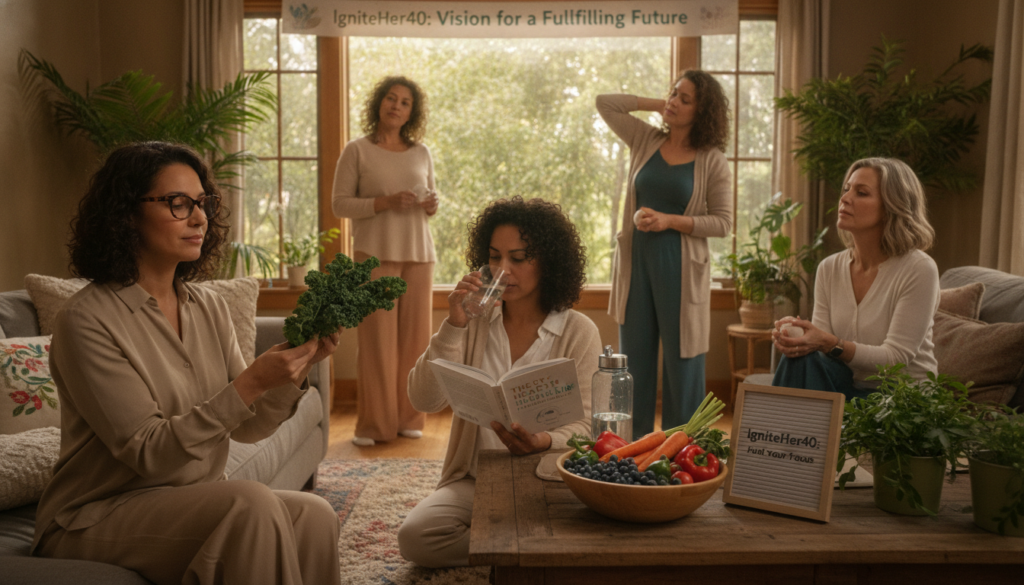
Foods and Supplements for Eye Wellness
What you eat affects your vision. Certain nutrients help keep your macula healthy and your eyes working well. Here are some foods to eat:
- Lutein and zeaxanthin — found in kale, spinach, and eggs — act as natural blue-light filters for your retina
- Omega-3 fatty acids — from salmon, sardines, and walnuts — help combat dry eye symptoms
- Vitamins C and E — in citrus fruits, almonds, and bell peppers — protect against oxidative damage linked to cataracts
- Zinc — found in chickpeas and lean beef — supports retinal health
If you’re not getting enough of these nutrients, consider an eye health supplement. But always talk to your doctor first.
Regular Eye Exams: What to Expect
The American Academy of Ophthalmology suggests a baseline comprehensive eye exam at age, with follow-ups every two to four years. These exams can catch early signs of serious eye problems.
Your 40s are the decade when prevention matters most for your eyes. Small steps now can protect your sight for decades to come.
Wear protective eyewear during sports, yard work, and chemical use. If you’re on screens a lot, follow the 20-20-20 rule. These steps help keep your vision sharp and reduce eye strain.
Bone Health: Strengthening Your Foundation
Your bones reach their strongest in your 30s. After that, they start to weaken slowly. When perimenopause begins, this weakening speeds up even more. Estrogen helps keep bones strong, but when levels drop, the risk of osteoporosis increases.
Aging well in your 40s means focusing on what’s happening inside your body. It’s not just about how you look.
Importance of Calcium and Vitamin D
Calcium is like the building block, and vitamin D is the key to using it. Without enough vitamin D, your body only absorbs 10–15% of calcium, says the National Institutes of Health. That’s a big gap.
It’s important to aim for 1,000–1,200 mg of calcium and 600–800 IU of vitamin D each day. You can get these from food before turning to supplements.
| Nutrient Source | Calcium (mg per serving) | Vitamin D (IU per serving) |
|---|---|---|
| Plain yogurt (8 oz) | 415 | 5 |
| Fortified orange juice (8 oz) | 349 | 137 |
| Cooked kale (1 cup) | 177 | 0 |
| Canned sardines with bones (3 oz) | 325 | 164 |
| Fortified almond milk (8 oz) | 449 | 100 |
Getting some sun for 10–15 minutes a few times a week helps your body make vitamin D. Check with your doctor about getting your levels tested. Many women are deficient without realizing it.
Exercises for Bone Density
Not all exercises are good for bones. You need weight-bearing and resistance training. Activities like walking, dancing, and hiking make your bones work against gravity. Lifting weights or using resistance bands helps create new bone cells.
The American College of Sports Medicine says to do strength training two days a week for bone health. Building a strong skeleton in your 40s is key. Your workouts should focus on this.
- Brisk walking or jogging (30 minutes, most days)
- Squats, lunges, and deadlifts with weights
- Stair climbing
- Yoga poses that load the spine and hips
Start where you are. Even small, consistent efforts protect your bones for decades. Your skin, social life, and screenings all matter. But without a strong skeleton, none of it works well.
Skin Care: Embracing the Changes
Your skin tells a story. In your 40s, that story includes shifting hormones, slower cell turnover, and less natural collagen. These changes are completely normal. One of the best tips for longevity in your 40s is learning to work with your skin rather than against it.
Natural Ingredients for Skin Health
Not every serum on the shelf deserves your money. A few science-backed ingredients genuinely support aging skin:
- Retinoids — vitamin A derivatives that boost cell turnover and stimulate collagen. Start with a low concentration and build up slowly.
- Vitamin C — a potent antioxidant that brightens skin and fights free radical damage from UV exposure.
- Hyaluronic acid — holds up to 1,000 times its weight in water, plumping fine lines from within.
- Peptides — short chains of amino acids that signal your skin to produce more collagen.
“The best skincare routine is the one you’ll actually stick with.” — Dr. Shereene Idriss, board-certified dermatologist
Building a Simple Skincare Routine
Complexity kills consistency. Among the most practical tips for longevity in your 40s is keeping your routine to three core steps. Here’s what that looks like:
| Step | Morning | Evening |
|---|---|---|
| Cleanse | Gentle, hydrating cleanser | Double cleanse if wearing makeup |
| Treat | Vitamin C serum | Retinoid or peptide serum |
| Protect & Moisturize | SPF 30+ broad-spectrum sunscreen | Rich moisturizer with hyaluronic acid |
Sun protection is non-negotiable. According to the Skin Cancer Foundation, up to 90% of visible aging comes from UV exposure. That single step protects your skin more than any expensive cream ever could.
Strong skin pairs well with strong bones. Let’s look at how social connections play a role in your overall wellness next.
Social Connections: Foster Meaningful Relationships
You eat well, move your body, and take care of your skin. But, you might overlook the power of your relationships. Making time for meaningful connections is as important as any supplement or workout in your 40s.
The Benefits of Strong Social Ties
A study of over 2.3 million adults found something striking. Social isolation increases the risk of premature death by 30%. That’s like smoking 15 cigarettes a day.
Strong friendships and community bonds do more than feel good. They protect your brain, lower depression and anxiety, and improve cognitive function. In midlife, when careers change and kids grow up, these connections are crucial.
“The quality of your relationships is one of the strongest predictors of your long-term health and happiness.”
Activities to Enhance Your Social Life
Building your social life doesn’t mean filling every evening. It’s about being intentional. Here are some simple ways to start:
- Join a local volunteer group or community organization
- Start a walking group with neighbors or coworkers
- Schedule regular phone or video calls with close friends
- Take a class — cooking, art, fitness — where you’ll meet new people
- Attend a book club or faith-based gathering
These activities make healthy lifestyle choices part of your daily life without stress. Choose one that excites you and commit to it. Even one deep, trusted friendship can greatly impact how you age.
Before focusing on health screenings in your 40s, remember this: staying connected is essential. It’s vital for your brain, heart, and emotional wellbeing.
Regular Health Screenings: Stay Proactive
Eating well, staying active, and caring for your relationships are great. But, don’t forget about health screenings. In your 40s, getting checked for age-related issues is crucial. Many serious conditions like high blood pressure and cancer have no symptoms early on.
The only way to find them is through screenings. This proactive approach can save your life.
Essential Tests for Women in Their 40s
Starting in your 40s, you should get your blood pressure, cholesterol, and diabetes checked every year. Mammograms for breast cancer start at 40, with screenings every two years. At 45, it’s time for a colonoscopy to check for colon cancer.
These tests are not just suggestions. They are key to staying healthy and catching problems early. This approach is at the heart of holistic health.
Your annual wellness visit is more than just a list. It’s a time to get flu shots and COVID-19 boosters. It’s also a chance to talk about what your body needs. Dr. Robert King says catching issues early can prevent big problems later.
Think of screenings as taking care of your body. Preventative care is easier, cheaper, and less stressful than treating problems later. You deserve to know your health status. Make that appointment. Your future self will thank you.
FAQ
What are the most effective strategies for healthy aging in your 40s?
Healthy aging in your 40s involves several key strategies. Start with daily physical activity to keep your body strong. Aim for 1.0–1.2 grams of protein per kilogram of body weight daily to fight muscle loss.
Follow an anti-inflammatory diet like the Mediterranean diet for overall health. Manage stress with meditation and deep breathing. Stay on top of preventive health screenings and nurture your social connections.
These strategies work together to protect your heart, brain, bones, and overall health for years to come.
Is it true that metabolism slows down in your 40s, and how does that affect aging gracefully in your 40s?
Research shows your basal metabolic rate stays stable until around age 60. So, metabolism isn’t the main issue. What changes is your activity level.
You likely sit more and move less than in your 20s and 30s. This leads to weight gain and hormonal changes. Aging well in your 40s means watching your diet and staying active every day.
Focus on whole foods and make small, consistent choices. You don’t need a big change to stay healthy.
How much protein do I really need in my 40s, and what are the best sources?
Your protein needs increase in your 40s. Aim for 1.0–1.2 grams per kilogram of body weight daily. That’s about 75–90 grams if you weigh 165 pounds.
Spread your protein intake across three meals and one or two snacks. Good sources include chicken, Greek yogurt, cottage cheese, tuna, eggs, and tofu. For snacks, try nuts, seeds, turkey slices, or hummus with veggies.
Remember, since you might need fewer calories, make sure to prioritize protein within those calories.
What are the best tips for longevity in your 40s when it comes to diet and exercise for aging well?
For longevity, your diet and exercise must work together. Eat an anti-inflammatory diet like the Mediterranean diet. Include 25–31 grams of soluble fiber daily from veggies, fruits, whole grains, and legumes.
Make sure to get enough protein at every meal. Daily movement is key, not just occasional exercise. This helps maintain muscle, heart health, and flexibility.
Establishing a routine now will influence your future mobility and independence.
How does stress accelerate aging, and what mindfulness and stress management techniques actually work?
Chronic stress damages your heart, brain, and immune system in midlife. It’s not just uncomfortable; it’s harmful. Your 40s bring career stress, financial worries, aging parents, and kids’ needs.
Research shows mindfulness and stress management techniques protect your brain and heart. Stanford’s Dr. David Spiegel recommends meditation, deep breathing, and self-hypnosis. These methods reduce pain and stress for years, not just minutes.
His Reveri app teaches these skills easily. Managing stress is crucial for your brain and heart health.
What healthy lifestyle choices protect my vision during my 40s?
Vision changes in your 40s, but healthy choices can help. Eat foods rich in lutein, zeaxanthin, omega-3 fatty acids, and vitamins C and E. Leafy greens, fatty fish, citrus fruits, nuts, and colorful veggies are great.
Also, get comprehensive eye exams regularly to catch glaucoma, cataracts, and age-related macular degeneration early. These conditions are treatable when caught early.
Think of eye exams like mammograms or cholesterol checks — they’re part of your preventative care.
How can I protect my bone health in my 40s, and what holistic health approaches help?
Bone density peaks in your 30s and declines in your 40s, speeding up during menopause. Protect your bones with a holistic health approach of nutrition and exercise. Aim for 1,000–1,200 milligrams of calcium daily and 600–800 IU of vitamin D from dairy, leafy greens, fortified foods, and sun.
Do weight-bearing exercises and resistance training to stimulate bone growth and reduce fracture risk. Walking, dancing, hiking, and lifting weights are good choices. Protecting your bones now ensures strength for decades.
What skincare changes should I make in my 40s for staying active in my 40s and looking my best?
Hormonal changes in your 40s affect your skin. Adjust your skincare routine, not your whole life. Use natural, research-backed ingredients like retinoids, vitamin C, hyaluronic acid, and peptides.
The best routine is simple: cleansing, moisturizing, and daily sun protection. Staying active also benefits your skin by improving circulation and delivering nutrients. Focus on the basics, not complicated routines.
Why are social connections important for healthy aging, and how can I strengthen mine?
Social connections are crucial for healthy aging. Research shows social isolation increases your risk of premature death by 30 percent, similar to smoking. Strong social ties improve your brain and reduce depression and anxiety.
Stanford’s Dr. King says community groups, volunteer work, or close friendships protect your brain and emotional health. Social connections are vital during midlife changes. Join groups, volunteer, or spend time with nourishing friends. This is essential healthcare, not a luxury.
What preventive health screenings and preventative care for age-related issues do I need in my 40s?
The U.S. Preventive Services Task Force recommends several screenings in your 40s. Get annual blood pressure checks to catch hypertension early. Also, have cholesterol and Type 2 diabetes screenings as part of routine care.
Start a colonoscopy for colorectal cancer detection at 45. Women should begin mammograms at 40, every other year. Men should discuss prostate screening at 55, or earlier with family history or African-American ancestry.
Keep up with vaccinations like flu shots, COVID-19 vaccines, and the shingles vaccine at 50. Early detection of high blood pressure or pre-diabetes allows for lifestyle changes or treatment. Annual wellness visits help catch changes early. Prevention is always easier than treatment.