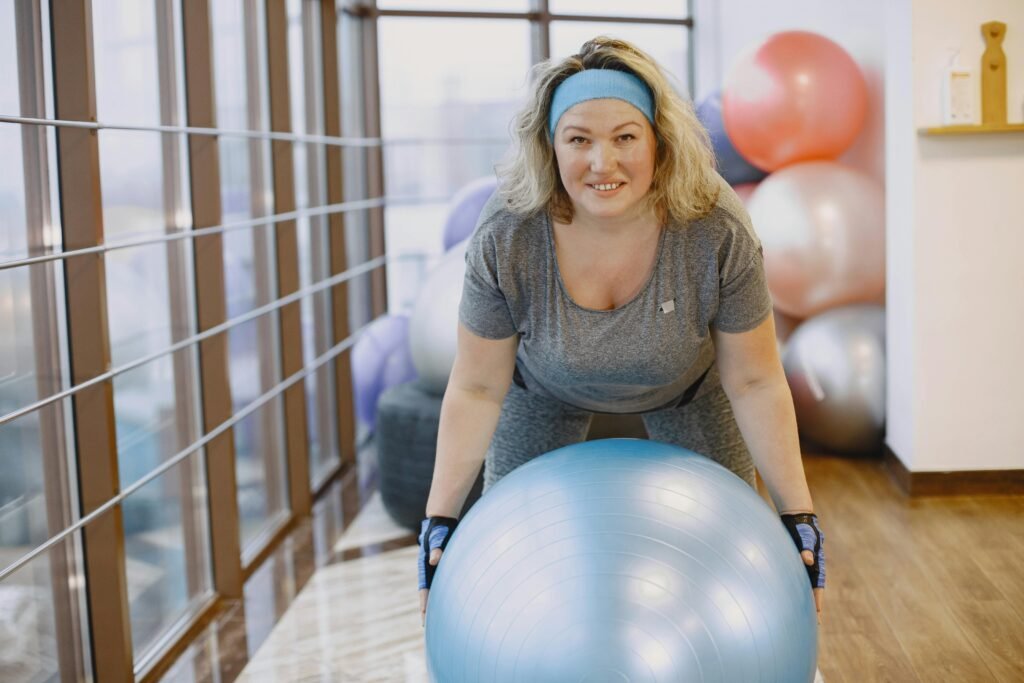
You’re here because you’re frustrated. You’ve been eating salads and walking every day. You’ve even tried different workout routines at home—but the scale won’t budge.
Or worse, you’re actually gaining pounds.
Let’s be honest: what worked in your 30s doesn’t work now. Nobody prepared you for that shift. This isn’t about willpower or effort. Your body has changed in fundamental ways, and your approach needs to change with it.
The good news? Once you understand what’s happening hormonally and metabolically, you can work with your body instead of against it. This article will walk you through the best exercises for weight loss after 40. We’ll give you specific strategies for declining estrogen, slower metabolism, and muscle loss.
We’ll cover why cardio alone fails, why strength training is non-negotiable, and give you a simple weekly structure you can start this week. No hype. Just the truth about what actually works.
Key Takeaways
- Hormonal changes after 40 fundamentally alter how your body responds to traditional exercise routines
- Cardio alone is no longer enough—strength training becomes essential for preserving muscle during calorie deficit
- The scale doesn’t tell the full story; body composition matters more than weight alone
- Exercise serves multiple purposes beyond burning calories—it improves insulin sensitivity and makes long-term maintenance easier
- You need a specific weekly exercise structure designed for women over 40, not generic workout plans
- Working with your changing body rather than against it produces real, sustainable results
Editor’s Pick
Looking for a natural supplement designed specifically for women over 40?
★★★★★
Rated 4.8/5 by over 2,300 women — see why it’s our top pick this year.
Read Our CitrusBurn Review →Why You’re Doing Everything Right But Still Not Losing Weight
It’s frustrating when your usual weight loss methods stop working after 40. You eat less and move more, but nothing changes. You’re not alone in this struggle.
Here’s the truth: your body isn’t responding the same way because it genuinely isn’t the same body anymore. After 40, your body changes in ways that make losing weight harder. It’s not impossible, just different.
Your body burns calories through four main ways: basal metabolic rate, physical activity, NEAT, and digestion. To lose weight, you need to burn more calories than you eat. But after 40, it gets harder to create this calorie deficit.
Let me explain what’s happening inside your body:
Your estrogen levels drop, changing where and how your body stores fat. Now, fat settles around your midsection. Your metabolism slows down, affecting your weight loss over time.
You lose muscle mass each year unless you prevent it. Muscle is key to a fast metabolism. Stress hormones like cortisol become more of a problem, too, if you’re overexercising or not sleeping enough.
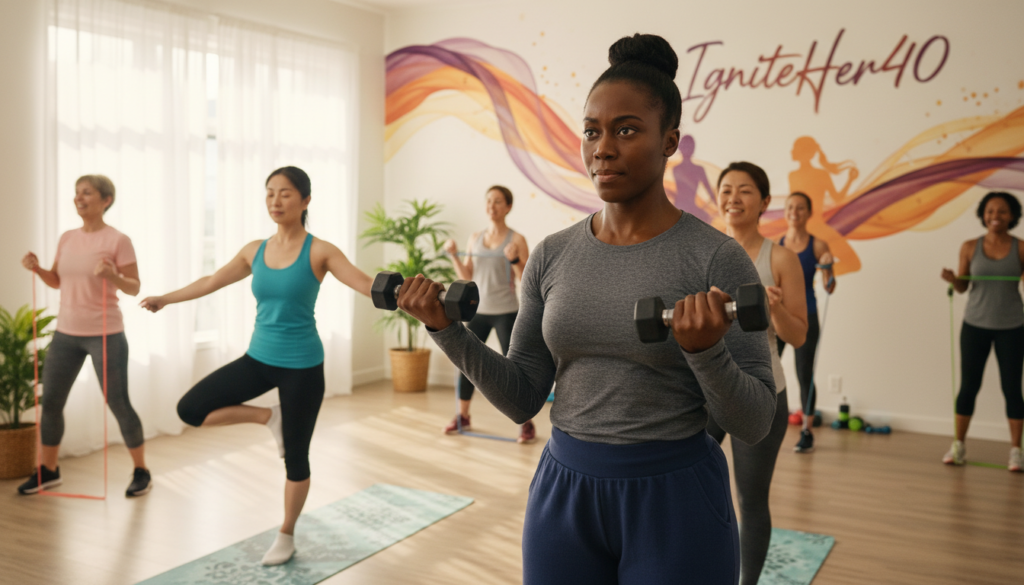
Many women go wrong with weight loss workouts over 40 by doing too much of what used to work. They do endless cardio and drastically cut calories. These approaches can actually backfire now by increasing cortisol and breaking down muscle.
| What’s Changing | How It Affects Weight Loss | Why Traditional Methods Fail |
|---|---|---|
| Estrogen decline | Fat storage shifts to abdominal area; insulin sensitivity decreases | Calorie restriction alone doesn’t address hormonal fat storage |
| Metabolic slowdown | Burn 100-200 fewer calories daily compared to your 30s | Same diet and exercise routine creates smaller deficit |
| Muscle loss (sarcopenia) | Lose 3-8% muscle mass per decade after 30 | Cardio-only workouts accelerate muscle breakdown |
| Elevated cortisol sensitivity | Chronic stress increases belly fat storage and appetite | High-intensity exercise without recovery raises cortisol further |
This isn’t about trying harder. It’s about training smarter, in a way that works with your changing hormones instead of fighting them. Women who succeed with a workout for weight loss over 40 aren’t doing more exercise—they’re doing different exercise. They also focus on recovery and nutrition that supports their efforts.
You need strength training to preserve and build metabolism-boosting muscle. You need movement that doesn’t spike cortisol. You need recovery time that allows your body to adapt and change. The next sections will show you exactly how to structure your exercise plan to work with your body’s new reality, not against it.
How Your Body Changes After 40 (And Why Exercise Needs to Change Too)
Understanding your body’s changes after 40 changes everything about weight loss. These changes are not minor. They require a new strategy than what worked in your 30s.
The good news? You can work with your body instead of against it. Let’s break down what’s happening and why it matters.
Declining Estrogen and Its Impact on Fat Storage
Estrogen does more than regulate your menstrual cycle. It acts as a metabolic guardian. As it declines, fat storage patterns change dramatically.
Before menopause, estrogen directed fat storage to your hips and thighs. This was protective. That fat is relatively harmless.
As estrogen drops, fat storage shifts to your midsection. This is visceral fat—the kind that wraps around your organs.
Visceral fat is active and releases inflammatory compounds. It increases heart disease, diabetes, and cancer risks. It makes losing weight harder by affecting insulin sensitivity.
The solution isn’t accepting this as inevitable. The right exercise routines for women over 40 target visceral fat. Strength training and strategic movement are key.

Metabolic Slowdown: The Numbers Behind It
Your metabolism slows down with age. But let’s look at the numbers. Understanding this helps you stop blaming yourself.
Your resting metabolic rate decreases by 1-2% per decade after 30. That’s a lot of calories.
For example, if you burned 1,400 calories at rest in your 30s, it could drop to 1,300-1,350 by your mid-40s. That’s enough to gain 5-10 pounds without changing your diet or activity level.
But here’s the critical part: this metabolic slowdown isn’t inevitable. It’s largely driven by muscle loss, not aging itself.
Muscle tissue is metabolically expensive. It burns significantly more calories than fat tissue. When you lose muscle, you lose your calorie-burning engine.
This is why metabolism boosting exercises after 40 need to focus on building and preserving muscle mass. Strength training elevates your metabolism around the clock. It’s the difference between a temporary boost and a permanent metabolic upgrade.
Muscle Loss and Why It Matters More Than You Think
Starting around age 30, women lose 3-8% of muscle mass per decade. This accelerates after 40 and speeds up even more after menopause. This process is called sarcopenia, and it’s crucial for your weight and health.
Let’s put this in perspective with real numbers:
- Losing just 5 pounds of muscle could decrease your daily calorie burn by 50-100 calories
- Over a year, that’s enough to gain 5-10 pounds if nothing else changes
- By age 50, if you’ve done nothing to prevent it, you could have lost 10-15 pounds of muscle
- That muscle has been replaced by fat, even if the scale hasn’t changed much
This is why you might weigh the same as you did 10 years ago but look and feel different. Your body composition has shifted—less muscle, more fat—and that changes everything about how your body functions.
Muscle loss affects more than your metabolism. It impacts your strength, balance, bone density, and even your ability to regulate blood sugar. Women with more muscle mass have lower rates of diabetes, heart disease, and age-related disabilities.
Here’s what makes this challenging: traditional cardio doesn’t build or preserve muscle. In fact, doing excessive cardio in a calorie deficit can actually accelerate muscle loss. Your body sees that muscle as unnecessary weight to carry during long runs or bike rides, so it breaks it down for energy.
What your body needs instead is a clear signal: “Keep this muscle. We’re using it. We need it.” That signal comes from resistance training—lifting weights, using resistance bands, or doing bodyweight exercises that challenge your muscles. This is the non-negotiable foundation that everything else builds on.
The great news? Sarcopenia is reversible. Studies show that women in their 40s, 50s, 60s, and beyond can build muscle and increase strength with consistent resistance training. You’re not too old, and it’s not too late. Your body is still capable of remarkable changes when you give it the right stimulus.
Why Cardio Alone Doesn’t Work for Women Over 40
Cardio has long been seen as the key to weight loss. But for women over 40, it’s not enough. If you’ve been on the treadmill for hours without seeing results, there’s a reason.
Cardio isn’t bad for you. It’s just not enough for what your body needs now.
Cardio does burn calories while you’re doing it. A 45-minute walk can burn 200-300 calories. This helps create a calorie deficit. But, the calorie burn stops when you stop moving.
The real issue is that cardio doesn’t help keep muscle when you’re eating fewer calories. Without this, your body breaks down muscle and fat during weight loss. This is bad for your metabolism.
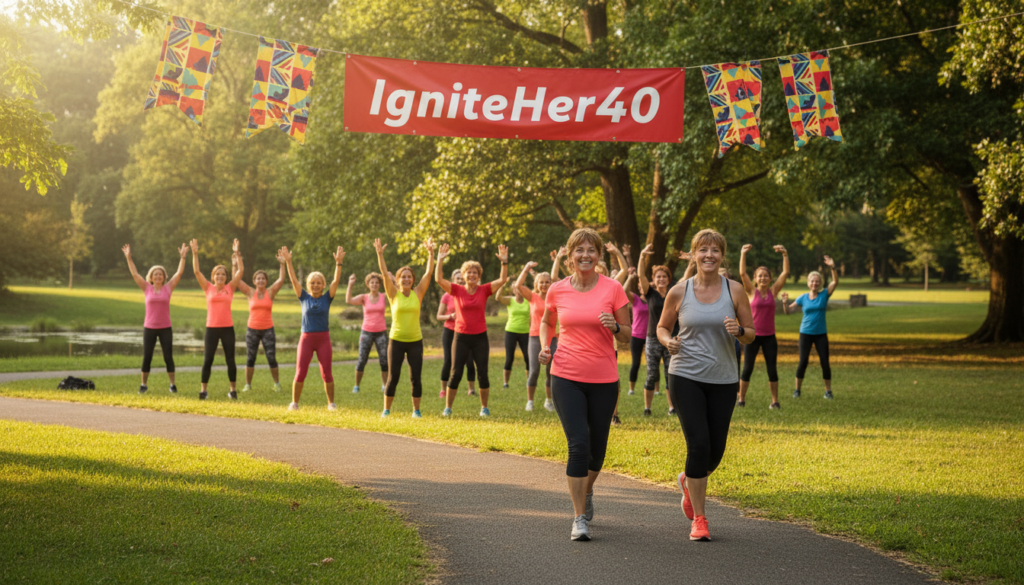
Imagine losing 20 pounds, but 10 of those pounds are muscle. You might look lighter, but your metabolism slows down. You’ll likely gain the weight back.
This is because your body burns fewer calories at rest after losing weight.
Many women get stuck in a cycle of losing and gaining weight. They lose weight, gain it back, and lose it again. Each time, they get softer and it’s harder to lose weight. Their body composition gets worse even as the scale goes down.
“Weight loss without strength training results in significant loss of muscle mass, which can decrease resting metabolic rate by approximately 3-5% for every 10 pounds of muscle lost.”
There’s also the cortisol problem that nobody talks about. Too much cardio, like high-intensity workouts, raises cortisol. After 40, when estrogen is already dropping, high cortisol makes your body hold onto belly fat. It can even interfere with fat loss instead of helping it.
When looking for the best cardio for weight loss over 40, you’ll see lots about calorie burning. But, what really matters is how it affects your metabolism and body composition over time.
| Approach | Calorie Burn | Muscle Preservation | Metabolic Impact | Long-Term Results |
|---|---|---|---|---|
| Cardio Only | During exercise only | Poor – muscle loss occurs | Metabolism slows down | Weight regain likely |
| Strength Training Only | Moderate during and after | Excellent – builds muscle | Metabolism increases | Body recomposition |
| Combined Approach | High total expenditure | Excellent – preserves muscle | Metabolism maintained/improved | Sustainable fat loss |
The truth about fat burning workouts after 40 is that they need to include both elements. Cardio is good for your heart and adds to calorie burn. Strength training keeps your metabolism strong by preserving and building muscle.
This doesn’t mean you should stop walking or doing activities you love. It means cardio should support your strength training, not replace it.
Think of cardio as a tool for heart health and extra calorie burn. But, it shouldn’t be your main way to lose weight. After 40, your focus should be on preserving and building muscle. Everything else should support that goal.
The women who keep weight off after 40 aren’t doing more cardio. They’re doing smarter exercise combinations that work with their changing hormones and metabolism.
Strength Training: The Non-Negotiable Foundation for Weight Loss After 40
Let’s talk about the exercise that changes everything for women over 40: real, challenging strength training. Not the light pink dumbbells gathering dust in your closet. Not endless repetitions with no resistance. We’re talking about weights that make you work, that challenge your muscles, that force your body to adapt and grow stronger.
This isn’t just another fitness trend. Strength training for weight loss over 40 is the foundation everything else builds on. If you make only one change to your exercise routine right now, this should be it.
Your body responds differently to exercise after 40. What worked in your twenties won’t cut it anymore. But here’s the good news: resistance training works better for your body now than it ever did before. You just need to understand why and how to do it right.
Why Lifting Weights Is Essential for Women Over 40
When you’re eating fewer calories to lose weight, your body needs to find energy somewhere. It has two main options: burn fat or break down muscle. Without strength training, your body often chooses muscle because it’s metabolically expensive to maintain.
This is where everything falls apart for most women. You lose weight on the scale, but you’re losing muscle along with fat. Your metabolism drops further. You feel weaker. The weight comes back faster than ever.
Strength training tells your body a different story. When you’re regularly lifting weights, your muscles are being stressed and used. Your body gets the message: we need this muscle tissue. So it preferentially burns fat instead, preserving the lean mass that keeps your metabolism running strong.
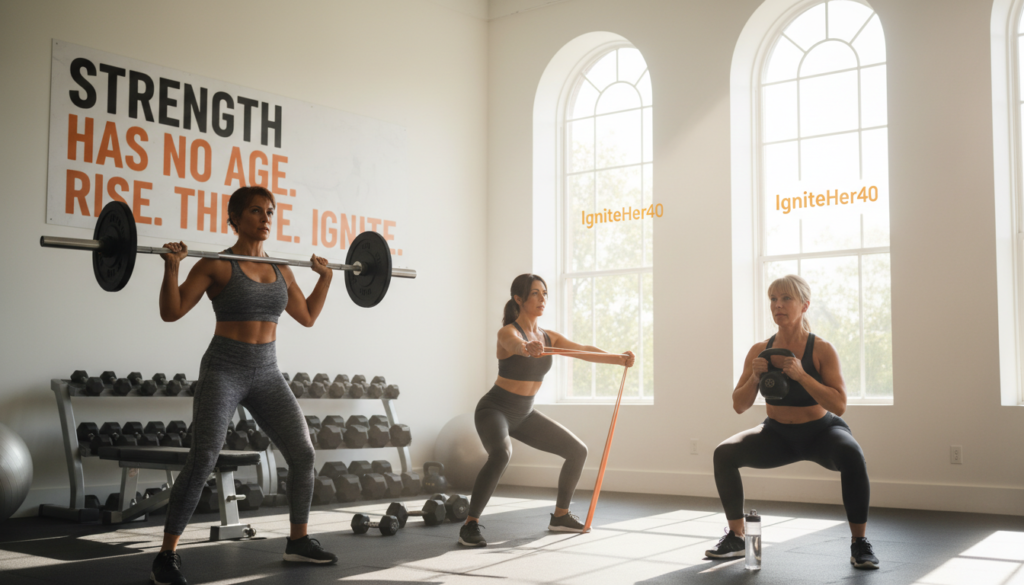
But muscle preservation is just the beginning. Strength training for weight loss over 40 improves your insulin sensitivity, meaning your body handles carbohydrates better and stores less as fat. When your muscles are trained to take up glucose efficiently, you’re less likely to experience blood sugar crashes and insulin resistance.
It also increases bone density. As estrogen declines, osteoporosis risk climbs. Loading your bones through resistance exercise signals them to stay strong and dense. This matters more than almost any other health intervention you can make.
Then there’s the afterburn effect. Unlike steady cardio, strength training elevates your metabolism for hours after you finish. Your body works hard to repair muscle tissue, burning calories long after you’ve left the gym.
How Much Weight Should You Lift?
This question stops more women than anything else. The answer is simpler than you think: lift enough weight that the last two repetitions of each set feel genuinely challenging while you maintain proper form.
For strength training women over 40, this might mean 10-pound dumbbells today and 25-pound dumbbells six months from now. It depends entirely on your starting point, and that’s perfectly fine. The number on the weight doesn’t matter. What matters is progressive overload—gradually increasing the challenge over time.
Progressive overload means your muscles keep adapting. You might add more weight, do more repetitions, add another set, or slow down the tempo. Any of these approaches work as long as you’re consistently asking more from your body.
Start with 2-3 strength sessions per week if you’re new to lifting. Give your muscles time to recover between sessions. If you’ve been training for several months, 3-4 sessions work well. Your muscles grow during rest, not during the workout itself, so recovery matters.
Aim for 8-12 repetitions per set. This range builds both strength and muscle endurance. If you can easily do 15 reps, the weight is too light. If you can’t complete 8 with good form, it’s too heavy. Find that sweet spot where the last couple of reps require real effort.
Best Strength Training Exercises for Fat Loss
You don’t need 47 different exercises or complicated programs. Focus on compound movements—exercises that work multiple muscle groups at once. These give you the biggest metabolic benefit in the least amount of time.
Four movement patterns form your foundation: squat, hinge, push, and pull. Everything else is extra. Master these, and you’ll transform your body composition faster than any amount of cardio could achieve.
| Exercise | Primary Muscles | Metabolic Benefit | Additional Advantage |
|---|---|---|---|
| Squats | Quadriceps, glutes, core | High calorie burn during and after workout | Loads bones through pelvis and spine, builds functional strength for daily activities |
| Deadlifts | Hamstrings, glutes, back, core | Engages most muscle mass in body, maximum afterburn effect | Teaches proper hip hinge movement that protects lower back |
| Push-ups or Chest Press | Chest, shoulders, triceps, core | Builds upper body strength that declines rapidly in women | Improves posture and prevents rounded shoulders |
| Rows | Upper back, biceps, rear shoulders | Balances pushing movements, prevents muscle imbalances | Counteracts forward posture from desk work and daily life |
Squats strengthen your entire lower body while loading your bones in exactly the way they need to stay dense. They’re functional—every time you sit down and stand up, you’re doing a squat. Building strength here makes everyday life easier.
Deadlifts target your posterior chain—all the muscles along the back of your body. This movement pattern is crucial for preventing back pain and maintaining the strength to lift things safely. It also works more total muscle mass than almost any other exercise, which means serious metabolic benefits.
Pushing movements like push-ups or dumbbell presses build the upper body strength women lose fastest with age. Strong chest and shoulder muscles improve your posture and make carrying groceries or grandchildren easier.
Rowing movements pull your shoulders back and strengthen your upper back. This counteracts the rounded posture so many women develop. It also balances out all the pushing movements to keep your shoulders healthy.
You don’t need expensive equipment. Bodyweight exercises work beautifully when you’re starting. Dumbbells give you easy progression. Resistance bands travel well. Barbells allow the heaviest loads as you advance. Pick what you have access to and start there.
Consistency with these basic movements will transform your body composition more than any amount of cardio ever could. That’s not an exaggeration. That’s the science of how your body builds muscle, burns fat, and maintains a healthy metabolism after 40.
Walking: The Underrated Fat-Burning Powerhouse
Many women over 40 don’t see walking as a serious weight loss strategy. But it might be exactly what your body needs. Walking is effective for losing fat without the stress of HIIT or strength training.
Walking burns calories without raising stress hormones. High-intensity exercises can burn belly fat, but they also increase cortisol. This can make your body hold onto abdominal fat.
Walking is great for adults over 40 because it’s easy on your joints. A brisk 30-45 minute walk can burn 150-250 calories. This adds up quickly over a week.

Unlike running, walking doesn’t hurt your joints or require long recovery times. It’s easy to keep up with for decades, not just weeks. Women who walk regularly tend to keep their weight off better.
Why Walking Keeps Cortisol Low
Your stress hormones play a big role in weight loss. Cortisol, your main stress hormone, affects where your body stores fat.
High-intensity workouts raise cortisol, which is normal. But if you’re already stressed, adding more exercise can be bad. Your body sees all stress the same way.
Walking keeps cortisol levels healthy while burning calories. It’s exercise that doesn’t feel like stress to your body. This is key for women over 40 whose bodies are changing a lot.
Morning walks are great for regulating cortisol. Your cortisol should be higher in the morning and lower at night. A morning walk helps with this and improves insulin sensitivity.
There’s also the NEAT factor—non-exercise activity thermogenesis. This is all the movement you do outside of workouts. Walking increases your NEAT. The more you move, the more calories you burn.
How to Walk for Maximum Fat Burning
You don’t need special gear or complicated plans to walk for fat loss. But a few simple tips can help a lot.
Try to walk for 30-45 minutes most days. You don’t have to walk fast. A pace where you can talk but breathe a bit harder is best. This is your sweet spot for burning fat without raising cortisol.
If you can only walk for 15 minutes, that’s still good. Walking twice a day is even better. Consistency is more important than how long you walk.
For low impact exercise women over 40, walking has special benefits. You can walk when you’re tired or stressed. It helps with fat loss without needing to recover from intense workouts.
| Walking Duration | Approximate Calorie Burn | Best Timing | Primary Benefit |
|---|---|---|---|
| 15-20 minutes | 75-100 calories | Anytime as movement break | Increases daily NEAT |
| 30 minutes | 150-180 calories | Morning before breakfast | Regulates cortisol patterns |
| 45 minutes | 200-250 calories | Evening after dinner | Improves insulin sensitivity |
| Two 20-minute walks | 150-200 calories | Morning and evening | Sustained metabolic activity |
Editor’s Pick
Looking for a natural supplement designed specifically for women over 40?
★★★★★
Rated 4.8/5 by over 2,300 women — see why it’s our top pick this year.
Read Our CitrusBurn Review →Walking is easy to do every day without stopping your strength training. On days you lift weights, walking helps your muscles recover. It increases blood flow without adding stress.
Don’t overthink it. Just put on comfy shoes and go. Walk around your neighborhood, a park, or even on a treadmill if it’s bad outside. The best walking workout is the one you’ll do regularly.
The beauty of walking is its simplicity and lasting benefits. It’s gentle enough to do when you’re exhausted but effective enough to contribute meaningfully to your fat loss goals. This combination is rare and very valuable for women over 40 with busy lives and changing bodies.
Modified HIIT: High-Intensity Training That Works With Your Hormones
Interval training is great for women over 40, but it must be tailored to their needs. Traditional HIIT is often too intense for older women. It can actually harm your body when your hormones are changing.
Understanding the difference between traditional and modified HIIT is key. The right one works with your body, not against it.
Traditional HIIT vs. Hormone-Friendly HIIT
Traditional HIIT pushes you to your limits for short bursts. Then, you rest briefly before doing it all again. This mix of effort and rest is intense and burns calories long after you’re done.
The problem is, it also raises cortisol levels a lot. Younger women might not mind this because estrogen helps balance it. But after 40, estrogen drops, making you more sensitive to stress hormones.
Working out too hard can hurt fat loss. It can mess with your sleep, cause inflammation, and leave you tired. You might be trying hard but not seeing the results you want.
Modified HIIT is smarter. It keeps the effort level at 75-85% of your max. This is tough, but not too hard. You also get longer breaks to manage stress better. And you do it only 1-2 times a week, not 4-5.
This way, you get the calorie burn and fitness gains without the stress hormone spike. It’s a win-win for your body.
| Aspect | Traditional HIIT | Hormone-Friendly Modified HIIT |
|---|---|---|
| Intensity Level | 90-100% maximum effort | 75-85% maximum effort |
| Work Intervals | 20-30 seconds | 30-40 seconds |
| Recovery Periods | 20-30 seconds | 30-60 seconds |
| Total Duration | 25-30 minutes | 15-20 minutes |
| Weekly Frequency | 4-5 times per week | 1-2 times per week |
Sample Modified HIIT Workouts for Women Over 40
A good modified HIIT session should leave you feeling good, not exhausted. If you’re tired for days, it was too intense. Here’s how to do it right:
Basic Modified HIIT Workout:
- Start with a 5-minute warm-up—easy jogging, arm circles, leg swings, or light cycling
- Do 30-40 seconds of hard work followed by 30-60 seconds of easy recovery
- Keep this pattern going for 15-20 minutes
- End with a 5-minute cool-down and some stretching
For the hard parts, you can walk uphill, cycle hard, row, do kettlebell swings, or bodyweight exercises. Pick movements that raise your heart rate but don’t require perfect form when you’re tired.
During breaks, move slowly. Walk, pedal lightly, or march in place. This helps clear out lactic acid and keeps your heart rate up.
This workout is shorter than many HIIT plans. That’s on purpose. You want to challenge yourself but still recover well.
Sample Exercise Combinations:
- Kettlebell swings (30 seconds) + easy walking (45 seconds)
- Cycling sprints (35 seconds) + light pedaling (60 seconds)
- Incline walking (40 seconds) + flat walking (50 seconds)
- Bodyweight squats (30 seconds) + marching in place (45 seconds)
Modified HIIT should add to your routine, not replace it. It’s meant to boost your metabolism a few times a week. When done right, you’ll feel challenged but ready for the next day.
This way, you use intensity wisely. Your hormones will thank you, and your body will respond well.
Yoga and Pilates: The Cortisol-Reducing Secret Weapons
Most fitness articles don’t tell you this: stress might be stopping your weight loss more than diet. If you’re eating well and working out but not losing weight, high cortisol could be the problem.
Why do yoga and Pilates show up in weight loss plans? It’s because managing stress hormones is key, more so after 40.
These low impact exercises for adults over 40 do more than stretch. They tell your body it’s okay to release stored fat.
How Stress Hormones Prevent Weight Loss
Cortisol is released when your body feels stress—physical, mental, or emotional. A bit of cortisol is normal and healthy. But too much creates serious problems for women over 40 trying to lose weight.
When cortisol stays high, your body thinks you’re in danger. It holds onto belly fat as an emergency energy source.
Here’s what happens:
- Your body keeps abdominal fat as an energy reserve for the “crisis” it thinks you’re experiencing
- Hunger and cravings for sugar and refined carbs skyrocket
- Sleep quality drops, raising cortisol levels
- Appetite hormones get disrupted, making it hard to control portions
This creates a cycle. Poor sleep raises cortisol. High cortisol disrupts sleep. Belly fat stubbornly stays, no matter your diet.
Chronic cortisol elevation comes from many sources. Work stress and emotional challenges count. So does too much intense exercise, poor sleep, constant dieting, and too many busy days with no rest.
Many women over 40 do everything right but unknowingly keep cortisol high. They push through hard workouts on little sleep, skip rest days, and stick to strict diets for months.
Your body doesn’t know the difference between “good” and “bad” stress. It just knows you’re stressed. And it makes losing fat hard.
This is where strategic recovery becomes your secret weapon.
Best Yoga and Pilates Practices for Women Over 40
Yoga and Pilates activate your “rest and digest” mode. This lowers cortisol and offers physical benefits that support your workouts for women over 40.
The benefits go beyond stress reduction:
- Improved flexibility and mobility that reduces injury risk during strength training
- Stronger core and stabilizer muscles that improve performance in all other workouts
- Better body awareness that helps you move more efficiently
- Active recovery that allows muscles to repair without complete inactivity
You don’t need long sessions to see results. Even 15-20 minutes of gentle yoga or a 30-minute Pilates class can help.
The key is choosing the right type of practice. Not all yoga and Pilates are equal when you want to reduce cortisol and recover.
| Practice Type | Best For | Frequency | Key Benefits |
|---|---|---|---|
| Yin Yoga | Deep stress relief and flexibility | 1-2 times weekly | Longest-held poses calm nervous system, improve joint mobility, excellent before bed |
| Hatha Yoga | Gentle strength and balance | 2-3 times weekly | Balanced approach with breathing focus, accessible for beginners, builds functional strength |
| Restorative Yoga | Maximum cortisol reduction | 1 time weekly | Props support body in restful poses, activates deep relaxation response, ideal for recovery days |
| Mat Pilates | Core strength and stability | 2-3 times weekly | Controlled movements strengthen deep stabilizers, improves pelvic floor health, low joint stress |
| Slow Vinyasa Flow | Mindful movement and breathing | 1-2 times weekly | Gentle flow between poses, breath-focused, builds heat without excessive stress |
Avoid aggressive power yoga or advanced Pilates reformer classes that push intensity too high. Remember, the goal here is recovery, not another chance to exhaust yourself.
Many women notice a big change when they add 1-2 yoga or Pilates sessions per week to their routine. Their fat loss speeds up—not because of calories burned, but because their body feels safe to release stored fat.
Sleep quality improves. Cravings decrease. Energy levels stabilize. The tension in their shoulders and hips starts to release.
This is true if you’ve been pushing hard with intense workouts and not seeing results. Sometimes, the answer isn’t more intensity. It’s more recovery.
Your body can’t heal what it can’t rest from. When you give it permission to recover through gentle, restorative movement, you remove a big barrier to fat loss after 40.
Think of yoga and Pilates as the counterbalance to your strength training and walking routine. They’re not optional extras—they’re essential for a complete fat loss strategy that works with your hormones instead of against them.
How Building Muscle Increases Your Resting Metabolism
Building muscle after 40 is more than just looking good. It turns your body into a fat-burning machine all day, every day. Unlike cardio, muscle burns calories even when you’re not moving.
This is why strength training is key as you get older. Your muscles become your ally against weight gain and slower metabolism.
Let’s explore the science behind this to understand what’s happening in your body.
The Metabolic Advantage of Lean Muscle Mass
Muscle tissue is always working, needing energy to stay alive. Fat tissue, on the other hand, just stores energy and doesn’t use much.
Here’s what you need to know:
| Tissue Type | Calories Burned Per Pound Per Day (At Rest) | Metabolic Activity Level |
|---|---|---|
| Muscle Tissue | 6-10 calories | High – constantly requires energy for maintenance and repair |
| Fat Tissue | 2-3 calories | Low – mainly storage with little energy need |
| Organ Tissue (for comparison) | 200+ calories (brain, heart, liver) | Very high – but you can’t increase organ mass through exercise |
This difference might seem small at first. But over time, it makes a big difference.
The best exercises after 40 are those that build lean muscle. That’s why strength training is crucial for losing fat.
Real Numbers: How Much Can Muscle Building Boost Your Metabolism?
Let’s look at real numbers. Building five pounds of muscle increases your resting metabolic rate by about 30-50 calories per day.
That might seem small. But over a year, it’s 10,950 to 18,250 extra calories burned. That’s 3-5 pounds of fat loss without changing your diet.
Strength training also creates the afterburn effect. This means your metabolism stays high for hours after you finish working out.
Your body needs extra energy to:
- Repair muscle tissue broken down during training
- Remove metabolic waste from your muscles
- Restore oxygen levels in your blood
- Replenish energy in your muscle cells
- Synthesize new muscle protein
A tough strength workout can keep your metabolism high for 24-48 hours. This is different from cardio, where calorie burning stops soon after.
These workouts work with your body’s natural processes. You’re building an asset that pays metabolic dividends every day.
Why This Matters More After 40
Here’s the truth: you naturally lose muscle through sarcopenia. After 30, most women lose about 3-8% of their muscle mass per decade if they don’t work to keep it.
This means a metabolic slowdown of 50-100 calories per day every ten years. Over a decade, you could burn 100 fewer calories daily just from muscle loss.
This could lead to a 10-pound weight gain over ten years if your eating habits stay the same. This is why many women feel like their bodies “betray” them in their 40s and 50s. It’s not because they’re eating more—it’s because their metabolism is slower due to less muscle.
But here’s the empowering truth: you can reverse this. Women in their 40s, 50s, 60s, and beyond can build muscle. Your body still responds to progressive resistance training, though it might take slightly longer than in your 20s.
Every pound of muscle you add through metabolism boosting exercises after 40 works for you constantly. It makes losing weight easier and maintaining weight sustainable for the long term.
This is also why the scale might not change much when you first start strength training, even though your clothes fit better. You’re building muscle while losing fat at the same time. Your body composition is improving dramatically, even if the number on the scale stays similar.
Focus on these wins instead:
- How your clothes fit around your waist and hips
- Your strength improvements in the gym
- Your energy levels throughout the day
- How your body looks in the mirror
- Your ability to do daily activities with ease
Building muscle isn’t just about looking good or losing weight. It’s about getting a metabolic advantage that lasts. It’s about making your body work with you instead of against you as you age.
And the best part? You have complete control over this process. Every strength training session is an investment in your metabolic future.
Editor’s Pick
Looking for a natural supplement designed specifically for women over 40?
★★★★★
Rated 4.8/5 by over 2,300 women — see why it’s our top pick this year.
Read Our CitrusBurn Review →Your Simple Weekly Workout Structure (Start This Week)
Ready to stop planning and start doing? Here’s your simple weekly workout structure.
This isn’t complicated. You don’t need a gym membership, though it helps. You don’t need hours of free time. You just need consistency with a balanced approach that works with your body, not against it.
This workout for weight loss over 40 balances strength training, cardio, and genuine recovery in a way that fits into real life. You can start this week, right where you are.
Monday: Upper Body Strength Training
Start your week building upper body strength. This targets your chest, back, shoulders, and arms while giving your lower body a break.
Your Monday workout includes:
- Push-ups (or wall/incline push-ups if regular ones are too challenging)
- Rows with dumbbells or resistance bands
- Shoulder presses
- Core work like planks
Aim for 3 sets of 8-12 reps per exercise. Total time: 40-45 minutes including a proper warm-up.
If you’re just starting, use lighter weights or bodyweight only. The goal is proper form, not ego lifting.
Tuesday: 30-Minute Walk or Gentle Yoga
Tuesday is active recovery. This means light movement that promotes blood flow and reduces cortisol without adding training stress.
Choose a 30-minute walk at a comfortable pace, or gentle yoga if you prefer. The goal isn’t to push yourself—it’s to recover while staying active.
This isn’t the day to prove anything. Your body needs this lighter movement to repair from Monday’s strength work.
Wednesday: Lower Body Strength Training
Wednesday focuses on your legs and glutes. These are the largest muscle groups in your body, so training them provides massive metabolic benefit.
Your Wednesday exercises:
- Squats (bodyweight, goblet, or barbell depending on your level)
- Deadlifts or Romanian deadlifts
- Lunges or step-ups
- Glute bridges
Again, aim for 3 sets of 8-12 reps per exercise. Total time: 40-45 minutes.
Your legs might feel shaky after this workout. That’s normal and means you’re doing it right.
Thursday: Modified HIIT or Brisk Walking
Thursday gives you options based on how your body feels. Listen carefully here.
If you’re feeling energetic and recovered from Wednesday’s leg workout, do 15-20 minutes of modified HIIT as described earlier in this article. This means intervals with adequate rest periods that don’t spike cortisol.
If you’re tired or still sore from your lower body strength training, choose a brisk 30-40 minute walk instead. There’s no shame in choosing the gentler option—recovery matters more than pushing through fatigue.
Your body will tell you what it needs. Learn to listen.
Friday can be a full rest day or another 30-minute walk. Many women add a second strength training session on Friday, making it a full-body workout. But if you’re just starting with exercise routines for women over 40, three strength sessions per week is plenty.
Saturday works well as your third strength training session of the week. Make it a full-body workout that includes a mix of upper and lower body exercises.
Saturday full-body workout:
- Squats
- Push-ups
- Rows
- Deadlifts or Romanian deadlifts
- Core work (planks, dead bugs, bird dogs)
This gives you a complete stimulus before your rest day. Total time: 40-50 minutes including warm-up and cool-down.
Sunday is your complete rest day or very gentle movement like stretching, leisurely walking, or restorative yoga. Your body needs this day.
Recovery is when muscle repair happens and your metabolism adapts. Skipping rest will slow your progress, not speed it up. This is where the magic actually happens.
Here’s your complete weekly structure at a glance:
| Day | Workout Type | Duration | Primary Focus | Intensity Level |
|---|---|---|---|---|
| Monday | Upper Body Strength | 40-45 minutes | Chest, back, shoulders, arms | Moderate to High |
| Tuesday | Walk or Gentle Yoga | 30 minutes | Active recovery, stress reduction | Low |
| Wednesday | Lower Body Strength | 40-45 minutes | Legs, glutes, core | Moderate to High |
| Thursday | Modified HIIT or Brisk Walk | 15-40 minutes | Cardio, fat burning | Moderate (flexible) |
| Friday | Rest or Light Walk | 0-30 minutes | Recovery or gentle movement | Low to None |
| Saturday | Full Body Strength | 40-50 minutes | Total body conditioning | Moderate to High |
| Sunday | Complete Rest or Stretching | 0-20 minutes | Full recovery, muscle repair | Very Low to None |
This structure gives you 3 strength sessions, 2-3 cardio or walking sessions, and genuine recovery time. It’s sustainable week after week.
You can follow this pattern consistently, gradually increasing weights and intensity as you get stronger. That’s how real progress happens—not through extreme workouts you can’t maintain.
Start where you are, not where you think you should be. If three strength sessions feel overwhelming at first, start with two and add the third after a few weeks.
Consistency with this simple workout for weight loss over 40 will produce far better results than sporadic intense workouts followed by burnout. Show up. Do the work. Rest when you need to. Repeat.
That’s the secret nobody wants to hear because it’s not sexy or exciting. But it works.
Best Exercises for Weight Loss After 40: Creating Your Perfect Combination
The best exercises for weight loss after 40 are about the right mix, not more. You know how your body changes and what exercises work best. Now, it’s time to make a plan that lasts.
Strength training 2-4 times a week is key. It helps keep muscle, boosts metabolism, and ensures fat loss, not muscle.
Choose compound exercises that work many muscles at once. Squats, deadlifts, presses, and rows are great. Increase weight, reps, or sets to keep challenging your muscles.
Make sure to walk 30-45 minutes most days. This can be one long walk or several short ones. Walking burns calories, keeps cortisol low, and improves insulin sensitivity.
You can walk on both training and rest days. It’s gentle and doesn’t wear you down.
Add modified HIIT sparingly—once or twice per week maximum. It boosts metabolism and heart health without raising cortisol too high. Keep sessions short, intense, and take long breaks.
If HIIT leaves you exhausted for days, it’s too much. Scale back the intensity or frequency.
Include stress-reducing movement like yoga or Pilates 1-2 times per week. It lowers cortisol, improves flexibility, and helps your body recover. Many women find it’s the missing piece for losing stubborn fat.
Here’s what effective workouts for women over 40 look like when combined right:
| Exercise Type | Weekly Frequency | Primary Benefit | Hormone Impact |
|---|---|---|---|
| Strength Training | 2-4 sessions | Builds muscle, boosts metabolism | Increases growth hormone, improves insulin sensitivity |
| Walking | Most days (5-7) | Burns calories sustainably | Keeps cortisol low, steady energy |
| Modified HIIT | 1-2 sessions max | Metabolic boost, cardiovascular fitness | Brief cortisol spike with proper recovery |
| Yoga/Pilates | 1-2 sessions | Reduces stress, improves flexibility | Lowers cortisol, balances stress hormones |
| Full Rest | At least 1 day | Muscle repair, hormone regulation | Allows complete recovery and adaptation |
This mix works because it tackles all weight loss factors after 40. You build muscle for a high metabolism. You move daily without stressing your body too much. You get heart benefits without constant hard workouts. And you manage cortisol levels.
Don’t forget to rest as much as you exercise. Aim for at least one full rest day per week and 7-9 hours of sleep nightly. Eat enough protein—about 0.7-1 gram per pound of body weight—to repair muscles and stay full.
The women who keep losing weight after 40 do the right exercises consistently. They also focus on recovery and nutrition.
This approach works with your hormones, not against them. It’s sustainable because you’re not always tired. It protects your muscle and metabolism, not sacrificing them for quick weight loss.
Most importantly, it leads to lasting results because you’re building a stronger, more resilient body. That’s what effective exercise after 40 really means.
The Best Supplement to Support Weight Loss After 40
If you’re serious about supporting your metabolism after 40, we’ve done the research for you. After reviewing dozens of supplements, one stood out for women in this age group specifically. Read our full CitrusBurn Review to see exactly why we recommend it — including a full ingredient breakdown, real user experiences, and current pricing
Conclusion
Your body hasn’t given up on you. It’s just working in new ways. The best exercises for weight loss after 40 work with these changes.
Strength training helps keep your metabolism strong. Walking helps manage stress hormones and burns fat. Modified HIIT gives results without upsetting your hormones. Yoga and Pilates help your body recover and release stored weight.
This isn’t about being perfect. Sustainable fat burning workouts after 40 need consistency, not perfection. Start with two strength sessions this week. Add a daily 20-minute walk. Then, gradually increase your efforts.
Setting realistic goals is key. You’ll feel more energetic in two weeks. Your clothes will fit better in four to six weeks. Real changes take three to six months of steady effort.
This approach might seem slow compared to quick fixes. But those quick fixes fail because they go against your body’s needs. This method supports your body’s real needs.
You’re building something lasting: stronger muscles, a healthier metabolism, better stress handling, and true confidence. These benefits grow over time, making your body work better for you.
Choose one strength exercise from this guide. Do it today. Tomorrow, take a walk. That’s how real change starts—not with big changes, but with small, consistent actions.
FAQ
Can I lose weight after 40 with just diet and no exercise?
Yes, you can lose weight, but it’s not ideal. Losing weight through diet alone can lead to muscle loss. This slows down your metabolism and makes you weaker.
Strength training helps you lose fat while keeping muscle. This keeps your metabolism high and improves your body shape.
How often should women over 40 do strength training for weight loss?
Aim for 2-4 strength training sessions a week. Start with two and increase as you get stronger. Each session should last 40-45 minutes, focusing on exercises like squats and rows.
Consistency and increasing the intensity over time are key. Regular sessions lead to better results than intense training followed by rest.
Is walking enough exercise for weight loss over 40?
Walking is good, but not enough for optimal results. It burns calories and improves heart health. But it doesn’t prevent muscle loss.
Strength training 2-4 times a week is essential. Add daily walks for extra calorie burn and stress relief. This combo helps with muscle preservation and fat loss.
Why can’t I lose belly fat after 40 even though I exercise regularly?
Hormonal changes after 40 make it harder to lose belly fat. High cortisol levels from too much exercise also play a role.
Strength training is better than too much cardio. Limit intense workouts to 1-2 times a week. Add daily walks and stress-reducing activities. Get enough sleep and eat enough protein to lower cortisol.
What are the best low impact exercises for women over 40?
Good options include strength training, walking, Pilates, swimming, and cycling. These exercises are gentle on your joints.
Remember, “low impact” doesn’t mean “low intensity.” You can work hard while protecting your joints.
How much cardio should I do for weight loss after 40?
Aim for 30-45 minutes of moderate cardio daily. Add 1-2 sessions of modified HIIT weekly. This is enough to burn calories and improve heart health.
Strength training should be your main focus. Cardio supports this by burning extra calories. Don’t overdo it, as it can raise cortisol levels.
Will strength training make me bulky?
No, you won’t get bulky. Hormonal changes after 40 make it hard to build muscle. Strength training helps you build lean muscle that boosts your metabolism.
Professional female bodybuilders train hard, but you don’t need to. Your 45-minute strength sessions won’t make you bulky.
What’s the best time of day to exercise for weight loss over 40?
Choose a time that works for you. Morning workouts can help regulate cortisol. But don’t force it if you’re not a morning person.
Afternoon or early evening workouts might be better. Avoid intense exercise close to bedtime to improve sleep.
How long does it take to see results from exercise after 40?
Be patient and consistent. You’ll notice energy and sleep improvements in 1-2 weeks. Strength gains and better body shape take 4-6 weeks.
Visible changes in body composition take 8-12 weeks. Losing fat takes 3-6 months. Focus on building a stronger body, not just losing weight.
Can I do HIIT workouts every day after 40?
No, doing HIIT daily is a big mistake. It raises cortisol levels, which can prevent fat loss. Limit HIIT to 1-2 times a week.
Use modified protocols and keep sessions short. Focus on strength training and walking for better results.
What should I eat before and after workouts for weight loss over 40?
Eat a small meal with protein and carbs 1-2 hours before strength training. This gives you energy without feeling heavy.
After workouts, eat protein to repair muscles. Add carbs to replenish energy. Focus on whole foods and enough calories for your training.
Should I exercise differently during perimenopause and menopause?
Yes, adjust your exercise as hormone levels change. During perimenopause, listen to your body and adjust intensity. Strength training is still key.
During and after menopause, prioritize strength training and recovery. Hormonal changes require a more careful approach to exercise.
What are effective workouts for women over 40 who have joint pain?
Choose exercises carefully to avoid pain. Strength training, when done right, is therapeutic for joints. Focus on controlled movements and avoid sharp pain.
Swimming, cycling, and using resistance bands are good options. Yoga and Pilates improve flexibility and stability. Work with a trainer to find joint-friendly exercises.
How do I stay motivated to exercise when I’m not seeing fast results?
Focus on progress that shows up faster. Track strength gains and notice how your clothes fit. Celebrate consistency, not just weight loss.
Remember, the scale doesn’t show the whole picture. You might be losing fat and gaining muscle at the same time. Stay motivated by focusing on building a healthier body.